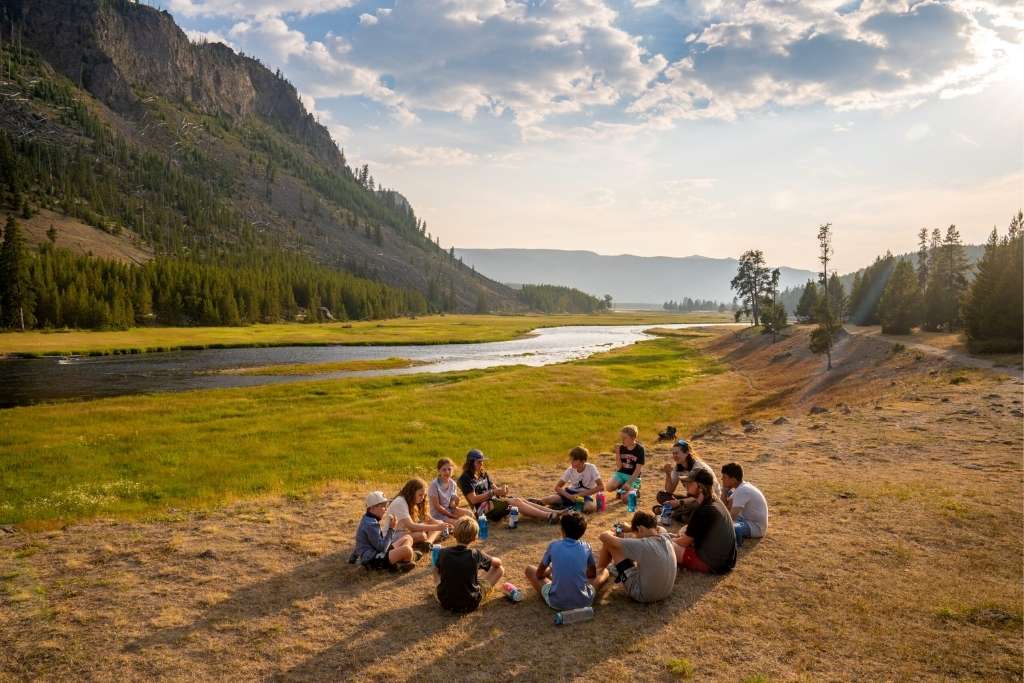
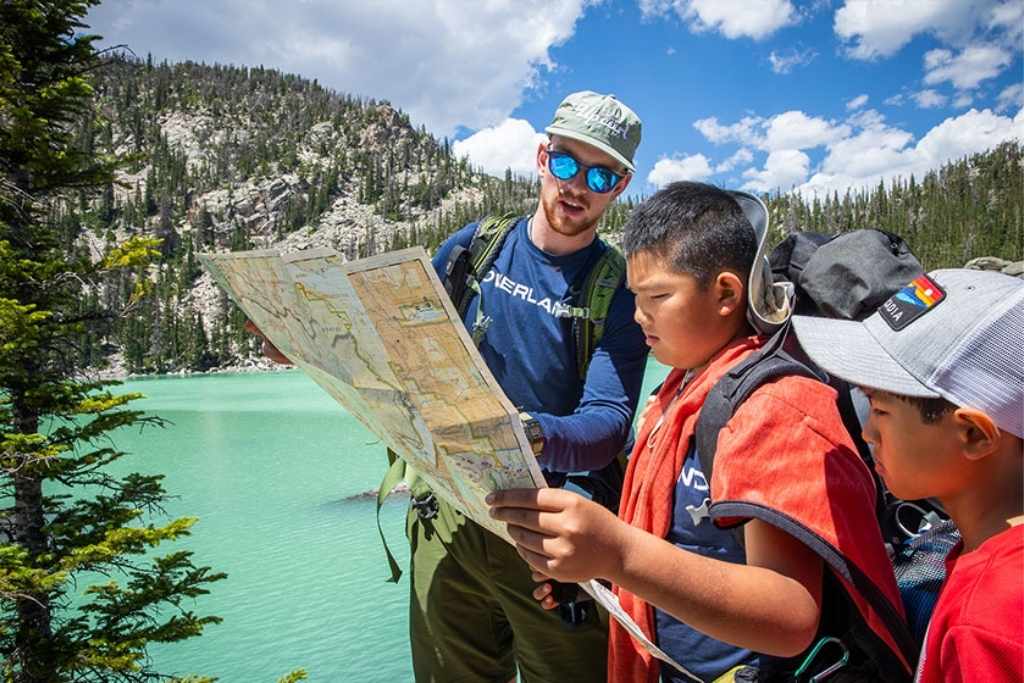
One question we get from parents all the time is “What is the best age to go to summer camp?” Is there a “right time” to send your child off for their first big adventure, or does it depend on the kid?
We wish there were a one-size-fits-all answer to give you. While many children start with day camps as early as age 3, most aren’t ready for sleepaway camp until around age 6 or 7. Some teens thrive in leadership programs early on, though some like to wait until their “pre-college” years to experience a home away from home.
Ultimately, the “best age” comes down to a few things, which is what we want to look at today! Come with us as we explore the benefits of camp at every age and take a look at some of the most popular Overland Summers programs for each age group.
Summer Camp Ages and Benefits
Ages 3–5: Day Camps for Younger Children
At this age, kids are learning how to follow routines, interact with peers, and explore the world beyond their family bubble. They’re curious but still developing the emotional regulation and independence needed for overnight stays.
- Readiness signs: They enjoy group play, follow basic instructions, and feel comfortable being away from home for part of the day.
- Recommended camp type: Local day camps with structured activities, low camper-to-staff ratios, and activities that are both fun and exploration-focused.
While we don’t offer programming for this age range here at Overland Summers, it can be helpful to give your child these early experiences to lay the groundwork for future overnight adventures.
Even Harvard says camps can help young children develop social-emotional skills early on.
Ages 6–9: First Sleepaway Camp
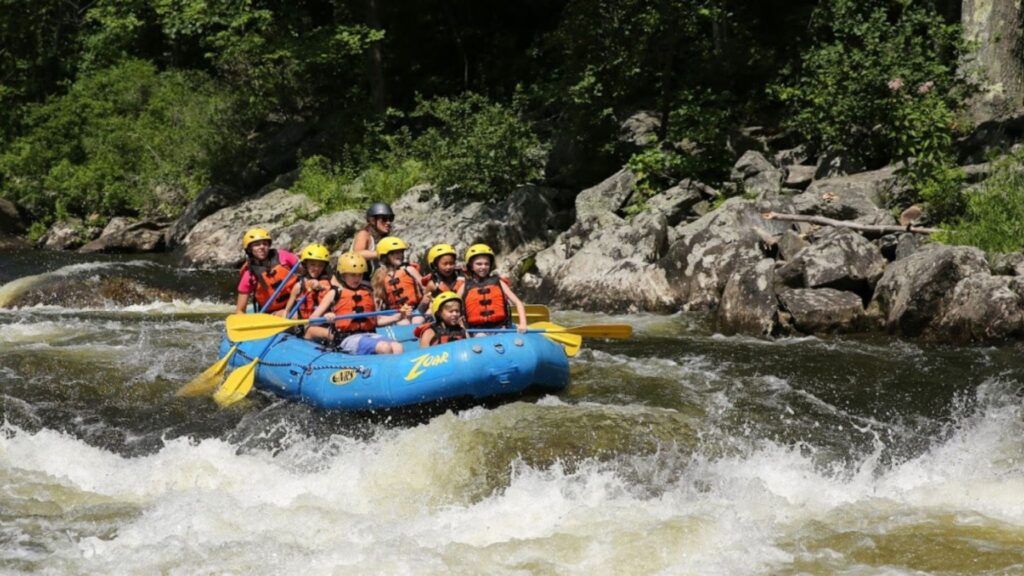
This is often the age range when many kids start taking on overnight camps. They probably have more independence, can handle more time away from their parents, and are eager to try new things.
- Readiness signs: They can manage basic self-care tasks, show interest in sleepovers, and are excited about the idea of camp (even if they’re a little nervous).
- Recommended camp type: Short-term overnight camps (1–2 weeks) with structured routines, supportive leaders, and lots of hands-on activities.
Overland Example: Berkshire Adventure (Grades 4–6) is a wonderful introduction to overnight camp for younger kids. This one-week camp takes place in the hills of western Massachusetts and includes day hikes, swimming, and nights around the campfire with plenty of support and structure. With small group sizes, experienced leaders, and a focus on fun and friendship, it’s specifically designed for first-time campers.
Ages 10–12: Specialized Camps and Deeper Friendships
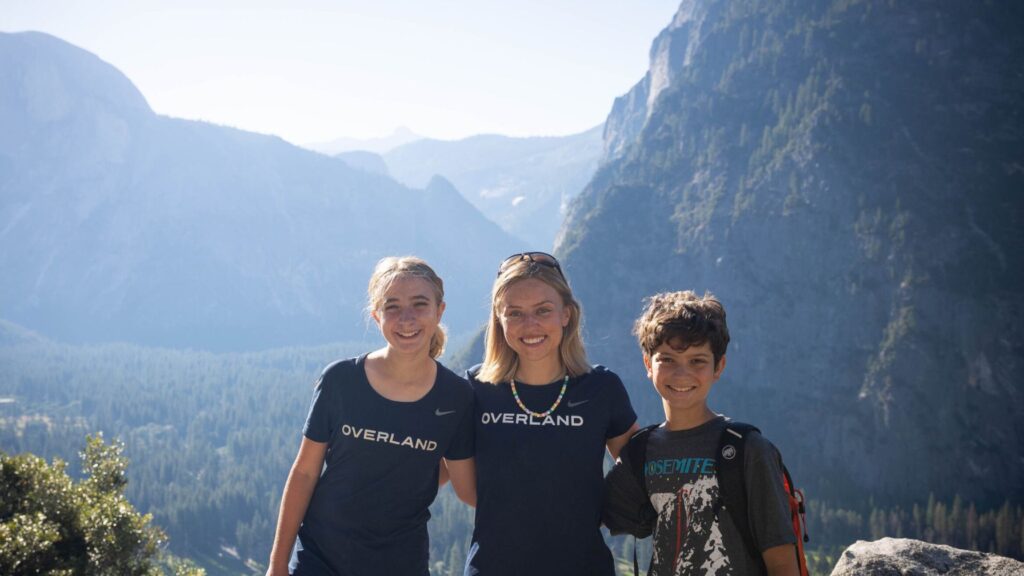
In the pre-teen years, kids become increasingly more confident and curious. They’re often ready to take on more responsibility, pursue personal interests, and start building deeper friendships through shared experiences.
- Readiness signs: They’re more confident, open to new challenges, and thrive with a little more independence from parents.
- Recommended camp type: Specialty camps focused on activities like hiking, science, arts, or team-building. Multi-week programs are often a good fit at this stage.
Overland Example: Sierra Explorer (Grades 6–9) is perfect for this age range. Your tweens can enjoy hiking, camping, and whitewater rafting in California. They’ll get a little taste of challenge while still having fun.
Ages 13–15: Leadership Programs
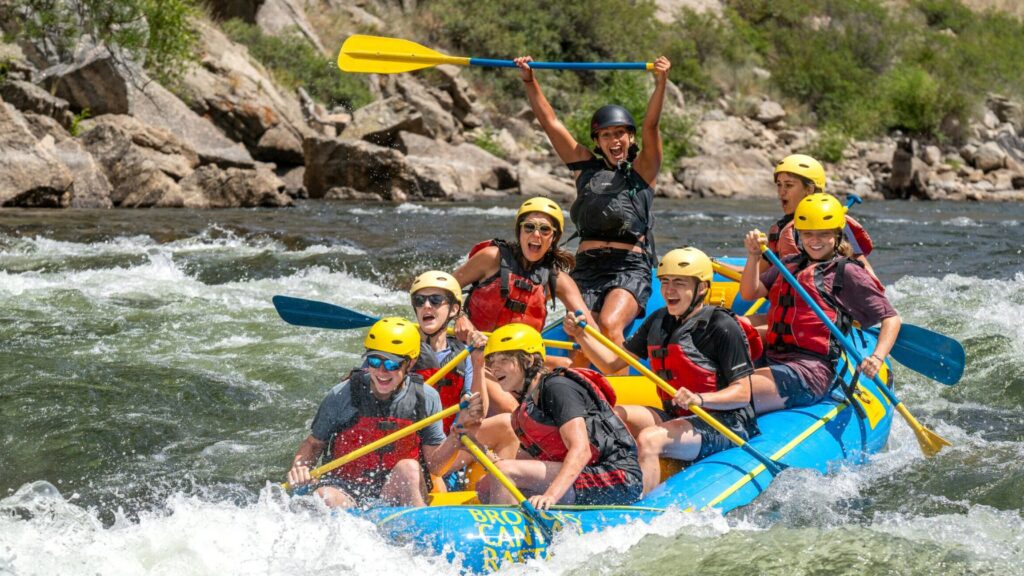
As teens begin developing a stronger sense of identity, they’re often ready to take on leadership roles and push themselves further. At this age, camping is about fun and emotional, social, and physical growth.
- Readiness signs: They’re more autonomous, enjoy working as part of a team, and are motivated by goals or challenges.
- Recommended camp type: Adventure-based programs, leadership tracks, and service-learning opportunities that foster confidence and collaboration.
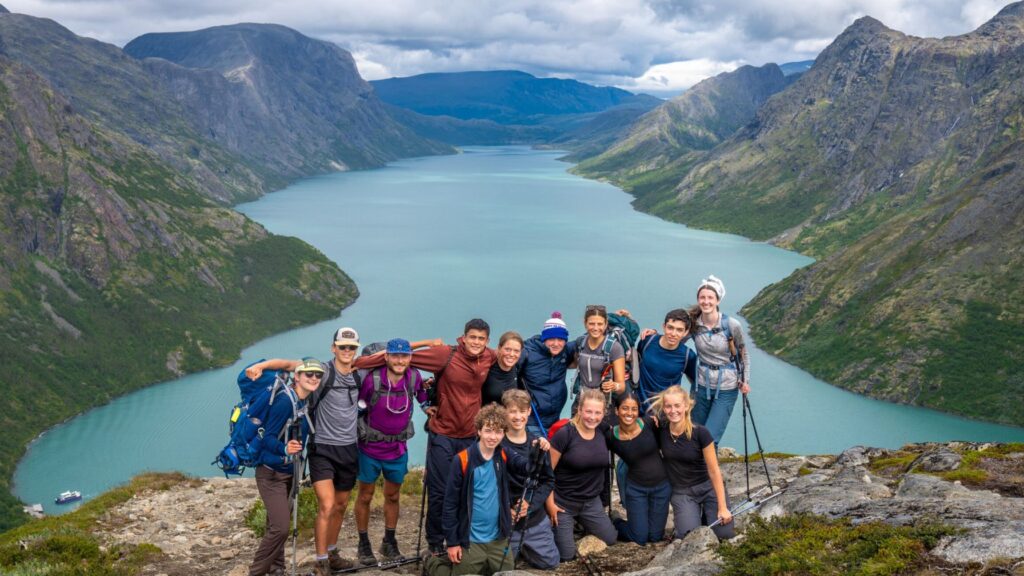
Overland Example: Rocky Mountain Expedition (Grades 9–11) is a challenging and rewarding experience for teens ready to take their outdoor skills to the next level. The trip includes extended backpacking in Colorado’s high country, summit attempts, and a two-day whitewater rafting trip, all with a focus on teamwork and personal growth.
Ages 16+: Pre-College Experience
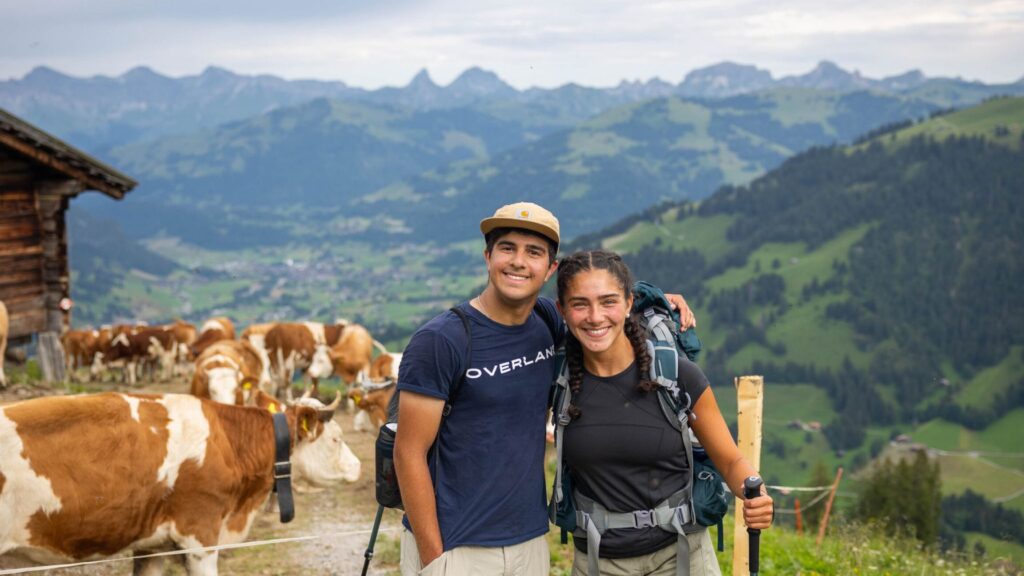
Older teens often look to summer as a way to prep for the future. Camps at this age can provide a meaningful bridge between childhood and adulthood. It’s best to take it up a notch by instilling real-world challenges, travel experiences, and personal growth.
- Readiness signs: They express interest in travel, cultural experiences, or expanding their worldview. They’re ready to take on new environments with minimal parental input.
- Recommended camp type: International or expedition-style trips, language immersion, or college prep programs.
Overland Example: Alpine Challenge (Grades 10–12) takes campers through a multi-day trek in the Swiss Alps. It’s great for older teens looking for independence, physical challenge, and the chance to connect with peers in an international setting.
Read More: How Summer Camp Prepares Teens for College
Other Factors to Consider
While age is no doubt a helpful guide, it’s only part of the picture when deciding if your child is ready for summer camp.
When parents ask us, “What is the best age to go to summer camp?,” we usually tell them to consider some additional factors.
Matching Your Child’s Personality to the Right Camp
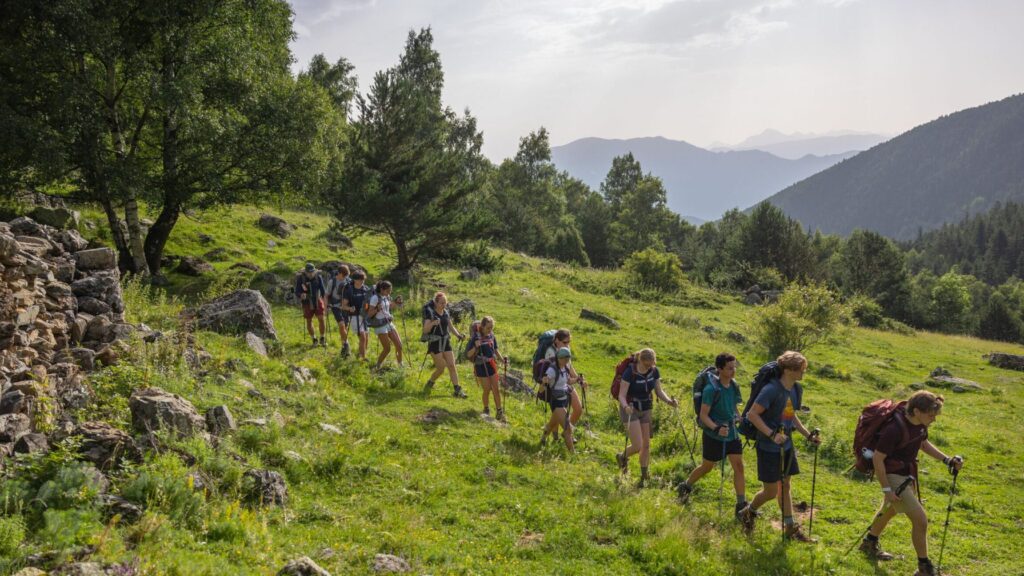
Every child is different. Some thrive in high-energy group settings, while others prefer quieter, more structured environments. Think about your child’s temperament. Are they adventurous? Introverted? A natural leader or a team player?
Figure out what kind of camp would best align with your child’s interests and social comfort zone, so you can make the experience more enjoyable and successful.
Overland Summers, for example, offers a variety of trips tailored to different comfort levels and activity styles.
Read More: Adventure Camp vs Traditional Summer Camp – 10 Things to Know
Parent Comfort and Involvement
Camp is a big step for both kids and parents. If you feel uncomfortable with it, so will your child.
Start by choosing a camp with clear communication protocols, accessible staff, and a proven track record. It can make the transition infinitely easier.
Also, it’s perfectly normal to feel nervous. Just know that the more outwardly confident you are in your choice, the more confident your child will be heading into camp.
Read More: How to Choose a Summer Camp – A Complete Guide for Parents
Camp Location and Environment

The setting of the camp you choose can have a major impact on your child’s experience as well.
Consider whether your child would do well in a rustic, off-the-grid camp or one that’s closer to home with a more familiar environment. Overland’s domestic and international offerings provide options for both kinds of campers, including close-to-nature U.S. adventures and cultural immersion camps abroad.
Camp Duration
Shorter programs (5–7 days) are great for first-timers, while older or more experienced campers may benefit from longer, multi-week experiences. Consider your child’s attention span and past overnight experiences.
A well-timed one-week trip can build confidence and pave the way for longer adventures down the road.
Camp Safety Measures
Ask about staff training, emergency protocols, medical support, and group sizes.
As an accredited camp, we at Overland Summers prioritize safety through low camper-to-leader ratios, rigorous leader training, and structured itineraries. Knowing that your child is in good hands is the ultimate peace of mind.
Expert Tips for Choosing the Right Camp
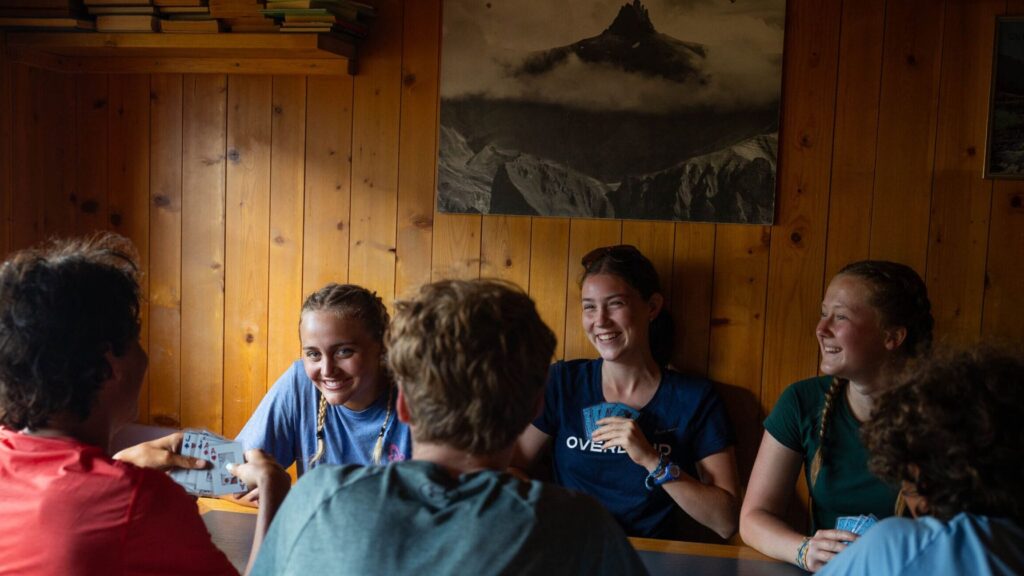
Once you’ve narrowed down the right camp based on your child’s age and readiness, and asked yourself, What is the best age to go to summer camp, you can start looking at the more nuanced aspects of camp.
Researching Camps for Age-Appropriate Programs
For starters, look for programs that clearly outline what’s offered at each age level.
For example, here at Overland Summers, we design trips with intentional age groupings so that activities are developmentally appropriate and socially engaging.
Read parent testimonials, speak with camp staff, and review trip itineraries to get a clear sense of whether a camp is a good match for your child’s age, interests, and maturity level.
Starting with Shorter Programs
If you or your child are on the fence, ease into the experience with a shorter trip.
Many camps have one-week “starter” programs, which we highly recommend for younger or first-time campers. These are great confidence-building programs that can act as a stepping stone and help them decide whether they’re ready for more.
Importance of Clear Communication
Communication is key, before, during, and after camp.
A professional camp should have accessible staff, detailed pre-trip materials, and outlined emergency procedures. Never hesitate to ask questions or share your concerns.
Read More: Are Summer Camps Worth It? An Expert Guide for Parents
FAQs About the Best Age for Summer Camp
Take a look at the most frequently asked questions about: “What is the best age for summer camp?”
Is 15 too old to go to summer camp?
Not at all! In fact, 15 is a great age for more advanced summer programs. Many camps offer leadership training, adventure travel, and service-oriented programs specifically for teens in this age group. At Overland Summers, our Rocky Mountain Expedition (Grades 9–11) is a perfect example—designed to challenge and inspire older campers.
What is the best age to send a child to camp?
The best age to send your child to camp isn’t defined by a number—it’s about emotional readiness. Many children are ready for day camps as early as 4 or 5, while overnight camps typically become a good fit between ages 6 and 9. Look for signs like growing independence, ease with daily routines, and genuine excitement about the idea of going to camp.
What is the best age for day camp?
Ages 3 to 5 are great for local day camps. These programs are ideal for helping younger children build confidence, socialize, and adjust to being away from home for short periods.
What is the best age for camping?
If you’re referring to traditional camping (e.g., tents, hiking, and outdoor skills), ages 10 to 12 is often the sweet spot. Kids in this age group usually have the confidence and curiosity to enjoy more rustic, active outdoor experiences like our Sierra Explorer program.
What age is Cool Camps for?
“Cool camps” (those offering exciting, non-traditional experiences like coding, whitewater rafting, or travel abroad) typically start around age 10 and go through the teen years. Programs like Overland’s Alpine Challenge in the Swiss Alps are great for campers aged 16+ looking for a unique summer adventure.
Ready to Take the First Step?
So, what is the best age to go to summer camp? As you can see, there’s no single answer. The best time is when your child is ready, emotionally, socially, and developmentally.
Whether that’s age 6 or 16, that’s okay! The important thing is choosing a program that fits your child’s personality, interests, and comfort level.
Overland Summers offers carefully designed trips that grow with your child. When you and your child are ready, contact our team or browse our programs to find the perfect fit.