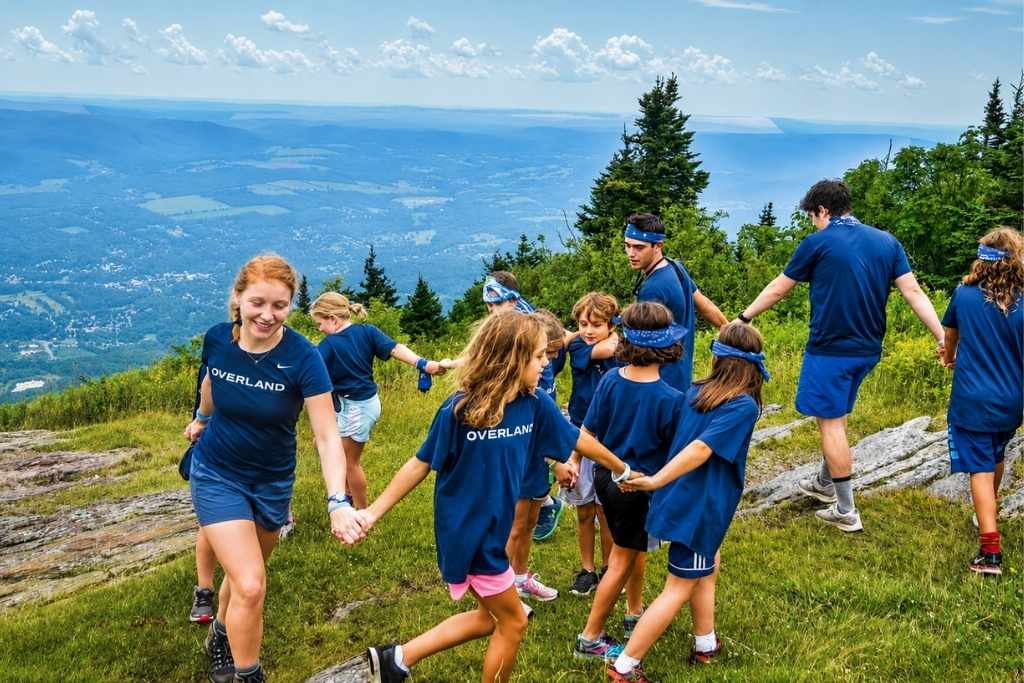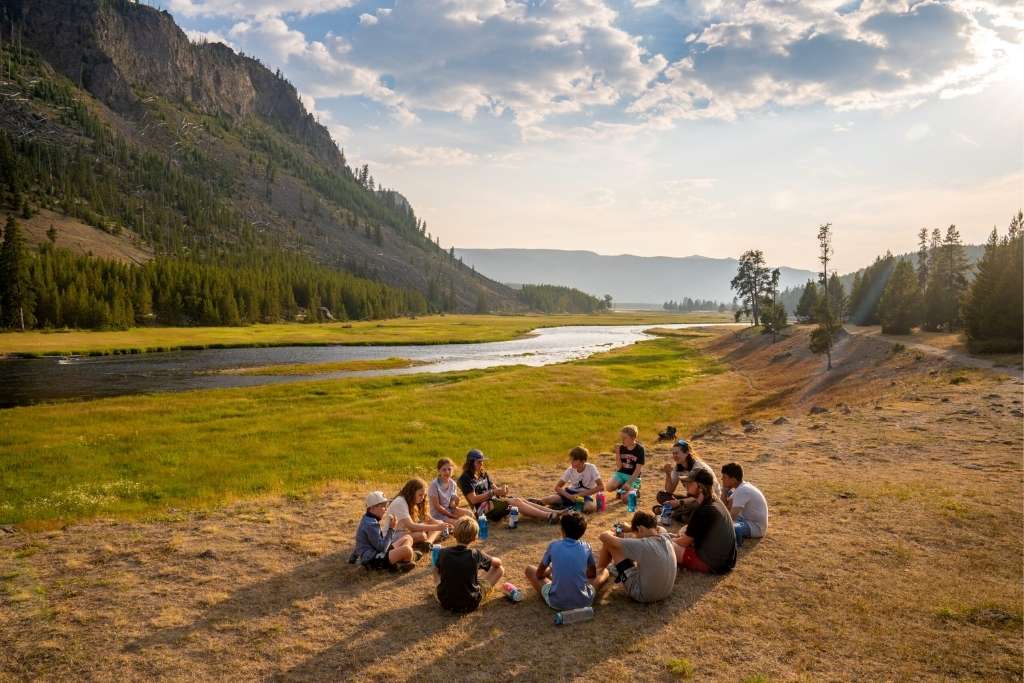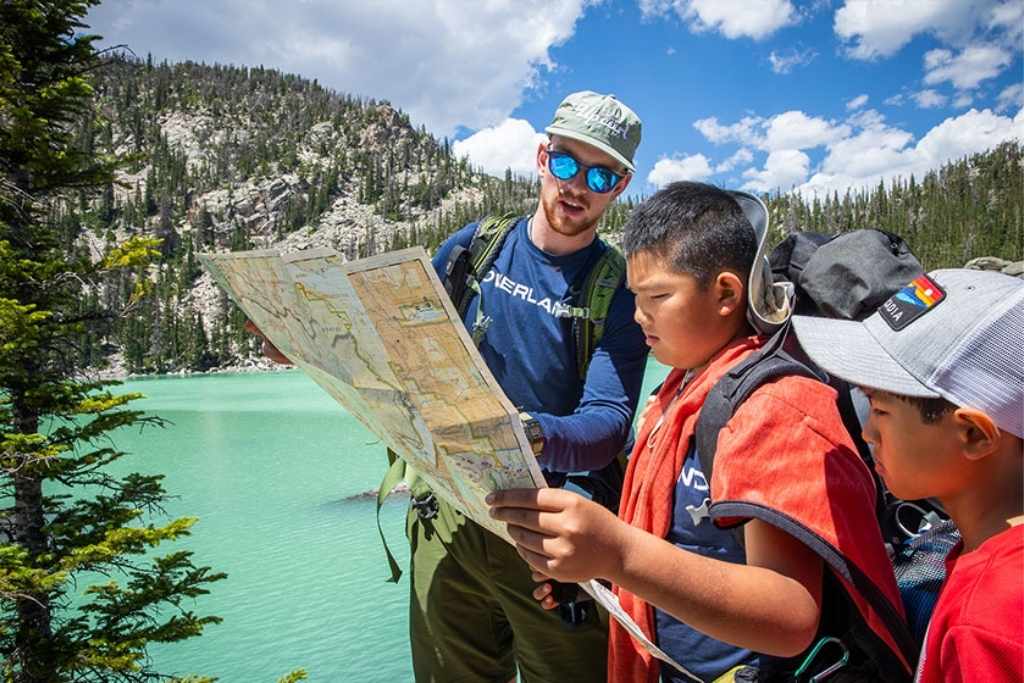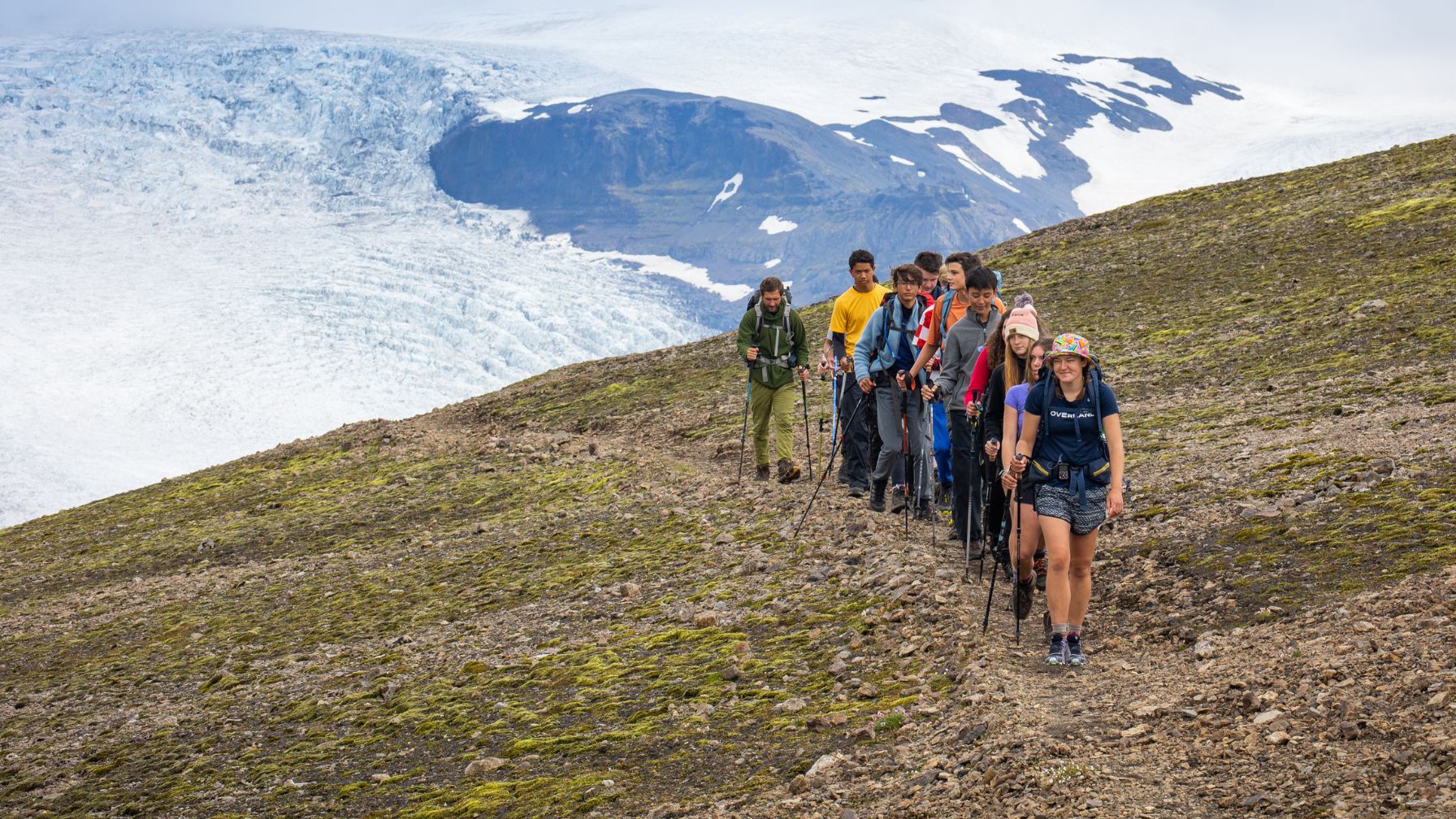
Attending summer camp gives kids and teens a chance to step outside their usual routines. They spend time away from home, meet new people, try new activities, and learn how to overcome the little challenges of group life, outdoor travel, and time in nature.
What Are the Main Benefits of Summer Camps?
There are several psychological benefits of summer camps beyond just the fun experience for kids and teens:
- Building self-esteem through challenges
- Developing social skills in a new setting
- Making life-long memories in nature
- Building resiliency
- Learning teamwork
- Building independence
- Expanding horizons
- Getting age-appropriate physical activity
- Developing leadership skills
- Learning language through travel and practice
- Building healthy lifestyle habits
- Fostering creativity
- Discovering new ways to stay active
- Improving communication without technology
- Developing practical outdoor skills
- Building safety awareness
- Strengthening patience
- Developing goal-setting skills
- Encouraging gratitude and appreciation
- Learning time management
From big moments like completing that long hike to small moments like helping with dinner or packing an overnight camping bag for the first time, camp offers lessons around every corner.
Read on to learn how summer camp helps kids build confidence, independence, practical skills, and a stronger sense of self.
1. Building Self-Esteem Through Challenges
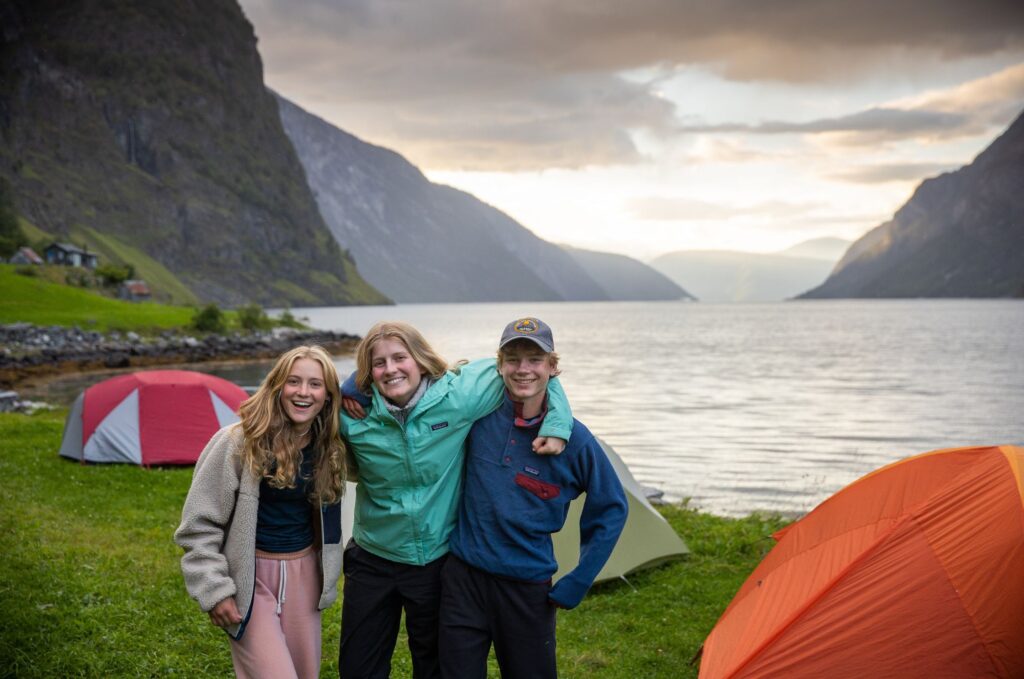
Self-esteem is a term used to describe a person’s opinion of themselves, including their worth and abilities. Children start developing self-esteem as toddlers, and adolescence is a key time when their self-esteem can benefit from extra support and encouragement.
One of the psychological benefits of summer camps is that allowing kids to struggle and overcome challenges on their own does more for their self-esteem than praise alone. When kids and teens learn new skills, they learn that they are capable of overcoming adversity.
2. Developing Social Skills in a New Setting
Summer camps offer a unique opportunity for kids to develop social skills, which they may not get in school alone. When kids are in school, they are often with the same group of kids for their entire education, thus they are able to follow the same social scripts and keep the same friend group.
However, summer camps attract a wider range of kids from all different backgrounds and with different interests. Although this can initially be awkward for kids, it’s important for them to learn how to befriend new people. This helps kids develop useful social skills as they explore the great outdoors.
3. Making Life-Long Memories in Nature
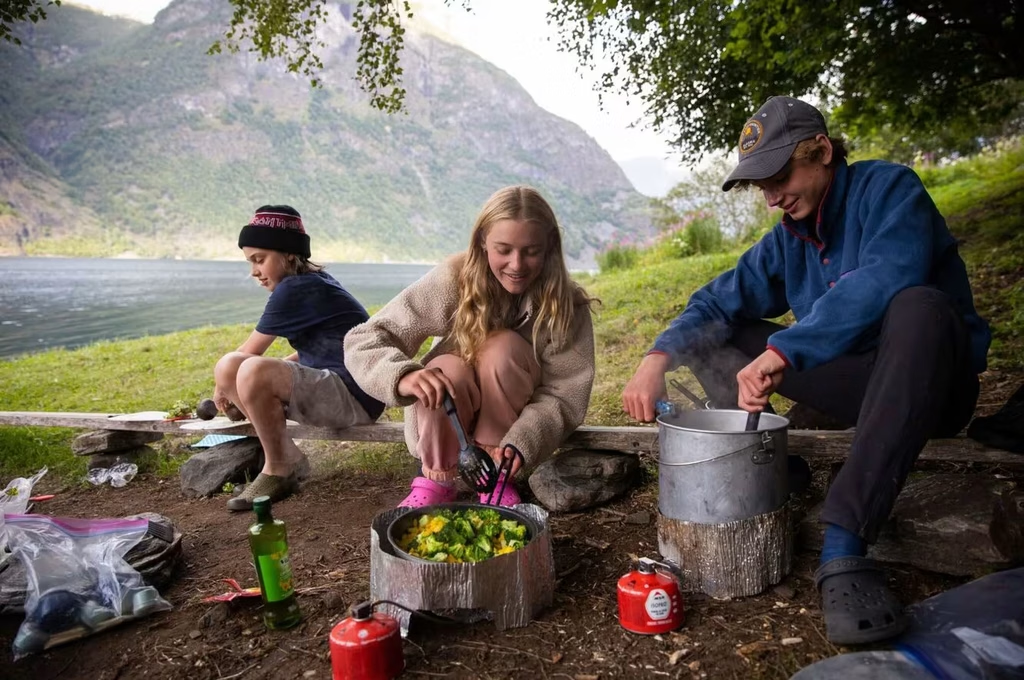
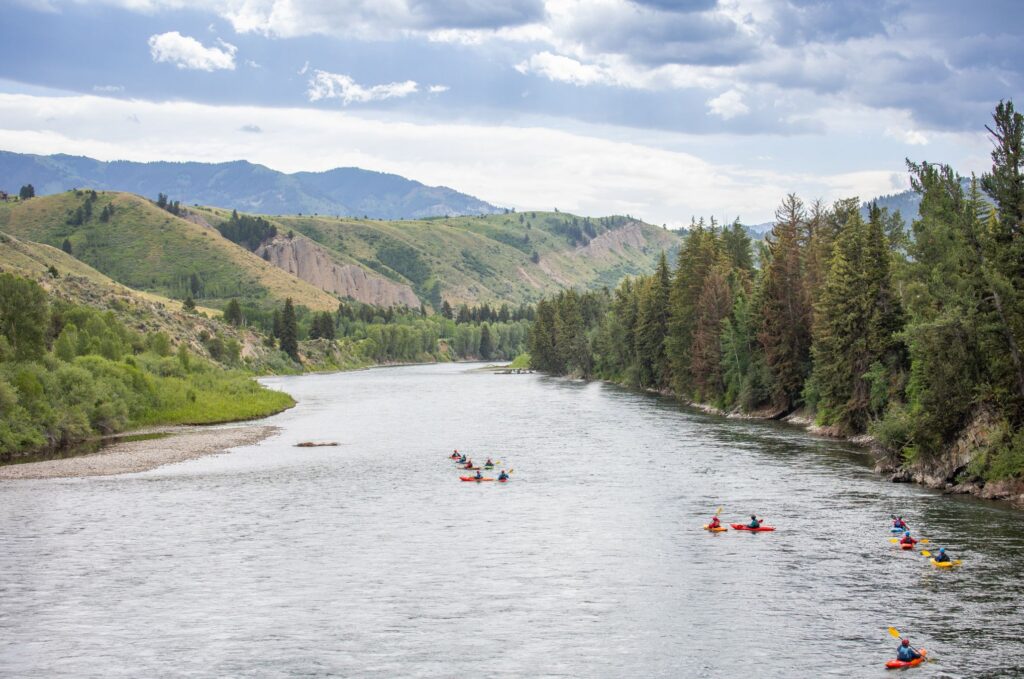
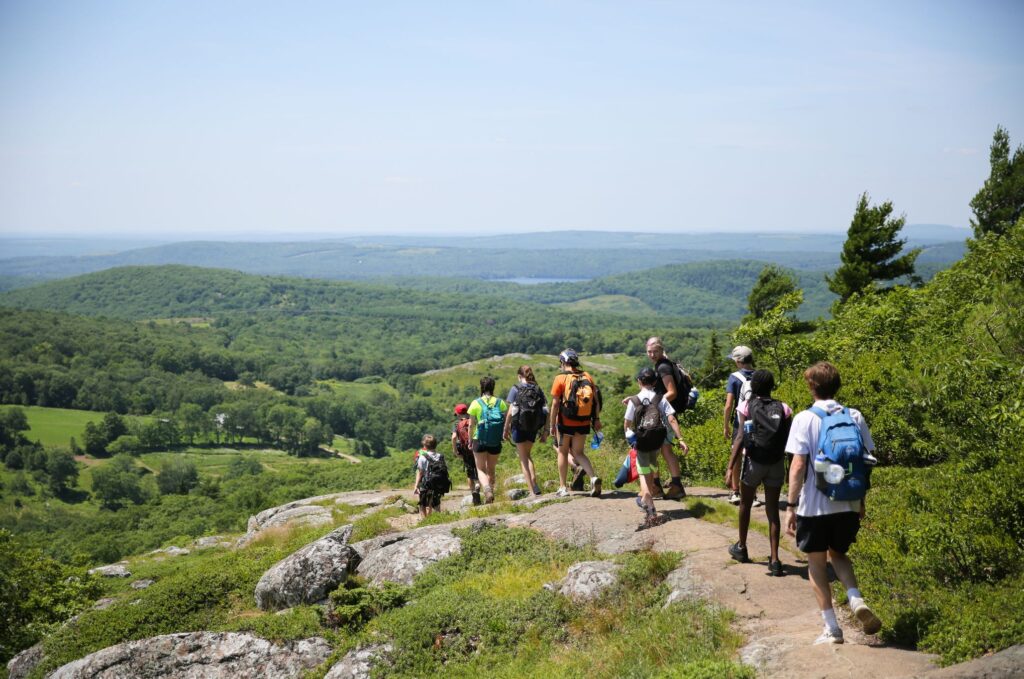
A core element of summer camp is being outside in nature! By going on backpacking trips and day hikes, kids can learn about the natural world. Some trips even include an aquatic element, which can involve sea kayaking past glaciers while watching birds of prey dive into the clear blue water to catch fish. It’s an experience your child or teen will never forget!
Those moments often become some of the stories kids remember most. Spending days outside with the same small group gives them time to notice new places, share experiences, and enjoy things they may never see at home. Even simple moments like eating together at camp can become part of the memory.
Read More: Is My Kid Ready for Summer Camp? 15 Telltale Signs
4. Building Resiliency
Resilience grows when kids face challenges and build strong connections with others. Many outdoor programs start with smaller activities and gradually increase in difficulty, helping kids build stamina and confidence. By the end, they often tackle their biggest challenge yet—whether that’s reaching a mountain peak or completing a long kayaking trip.
Along the way, kids also learn that difficult moments don’t last forever. A tough hike, unexpected weather, or a change in plans gives them a chance to adjust, keep going, and rely on their group. Each experience helps them become a little more comfortable handling challenges on their own.
5. Summer Camp Teaches Teamwork
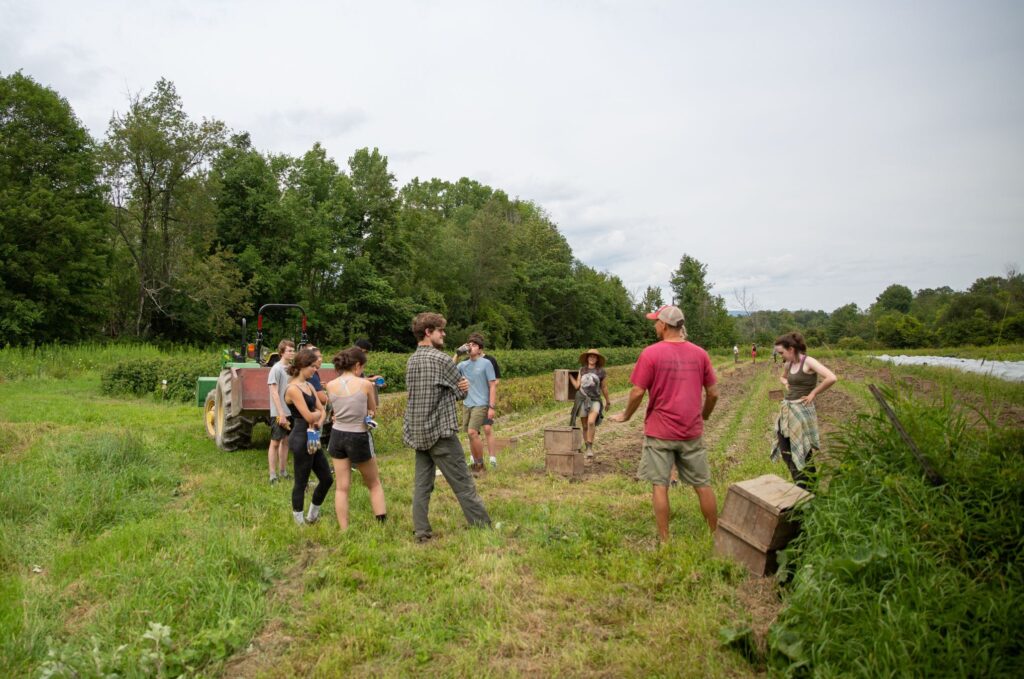
Teamwork is a core part of the summer camp experience; kids need to work together to make their meals, pitch tents, steer the canoe or raft, and use their language skills to communicate with locals on language trips. All Overland trip leaders are trained to facilitate teamwork within their small group of kids.
Working together also teaches kids how to listen, compromise, and support one another when something gets difficult. Everyone has a role to play, whether that means carrying group gear, helping prepare a meal, or encouraging someone during a challenging hike. Over time, kids start to see how much stronger the group can be when everyone contributes.
Get in touch with Overland Summers to learn about the trip options or apply to your child’s dream trip today.
6. It’s Important to Build Independence
As kids turn into teens and as teens prepare for adulthood, it is important for them to gradually become more independent. This part of growing up can be hard for parents because it involves giving your child some space and letting them learn from their mistakes.
One of the benefits of summer camps is how it helps kids build independence. By virtue of being away from parents for multiple nights, kids have the opportunity to navigate challenges on their own. They learn to problem solve without running to a parent for help and thereby learn that they are capable of doing things without a parent present.
7. Expanding Horizons
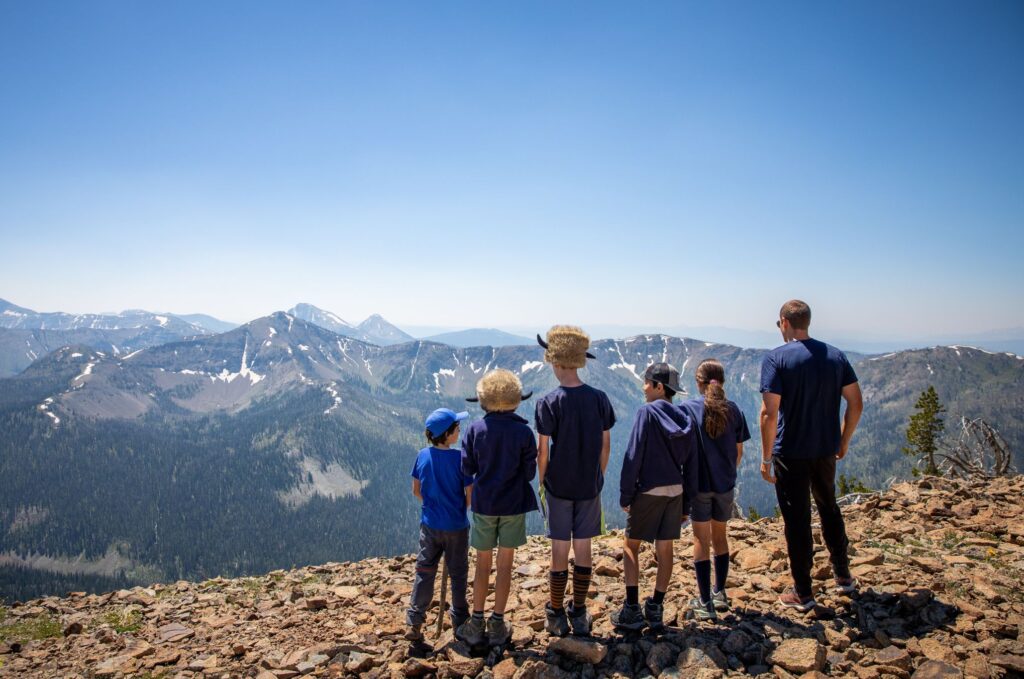
Self-esteem starts developing early but really grows when kids face new challenges. Summer camps give kids a chance to try things on their own, build confidence, and see what they’re capable of. Whether it’s hiking, canoeing, or pitching a tent, overcoming these tasks helps kids feel proud and more independent.
If you’re looking for adventures that boost confidence and independence, Overland Summers offers trips designed to help kids grow through challenge and exploration.
8. Age-Appropriate, Enjoyable Physical Activity
Kids spend a lot of time sitting these days, both when they are learning at school and when they are studying or relaxing at home. This is why it’s more important than ever for kids to engage in physical activity during the summer months. One of the physical benefits of summer camps is that they get kids on their feet, using their muscles, and enjoying every second of it.
At camp, physical activity often feels less like exercise and more like part of the adventure. Hiking to a campsite, paddling across the water, or carrying gear with the group keeps kids moving with a purpose. It also gives them a chance to discover activities they may want to keep enjoying long after summer ends.
Read More: How Summer Camp Helps Kids Grow – 15 Key Benefits
9. Developing Leadership Skills

Summer camps give kids the chance to develop leadership skills by taking initiative, making decisions, and supporting their peers. These experiences build confidence and teach them how to lead both by example and through effective communication.
Leadership at camp does not always mean being the loudest person in the group. It can look like helping someone with a difficult task, volunteering to take responsibility, or staying positive when plans change. These small moments give kids practical experience making good decisions while considering the needs of the people around them.
10. Learning Language Through Immersion
Maintaining a love of learning during the summer helps students stay ready and excited for the school year ahead. Some summer programs include language immersion experiences where teens can learn from native speakers while exploring new places. These trips combine education with adventure, making learning both fun and meaningful.
Overland Summers offers language immersion trips in Spain and France that blend outdoor exploration with daily language lessons.
How To Choose A Summer Adventure For Your Child
Get first-hand insights into what you should look for when choosing the next summer travel adventure for your child.
11. Introduction to a Healthy Lifestyle
Health at summer camp isn’t just about staying active—nutritious meals play a big role too. Camps typically provide balanced meals with protein, fruits, vegetables, dairy, and whole grains. Preparing meals together helps kids learn about cooking, nutrition, and developing a positive relationship with food.
Beyond general nutrition, many camps are also thoughtful about dietary needs. Whether it’s accommodating food allergies, intolerances, or personal preferences like vegetarianism, responsible camps put systems in place to ensure every child is safe and well-fed. At Overland, for example, families can review a comprehensive food allergy policy that outlines the steps taken to support campers with allergies or dietary restrictions—from pre-trip planning to group meal prep in the field.
12. Fostering Creativity by Educating the Whole Child
Adults who have fond memories of their own summer camp experience likely remember all the opportunities they had to be creative! When kids attend camp, they often have to engage in some creative problem solving, such as figuring out how to cook their favorite meals with local ingredients or over a campfire. There are plenty of little moments for art during a trip, like making flower crowns during a lunch break or capturing scenic moments with a camera while in Spain.
Creativity also shows up when plans do not go exactly as expected. Kids may need to improvise, try a different approach, or come up with a new way to solve a problem with the resources around them. Those moments encourage flexible thinking and show kids that there is often more than one way to figure something out.
Read More: What Is the Best Age to Go to Summer Camp? An Overland Guide
13. Camp Introduces New Ways to Stay Active
The key to life-long health is for young people to find a form of physical activity that they enjoy and to stick with it. One of the physical benefits of summer camps is allowing kids to try different kinds of outdoor activity to see which one calls to them.
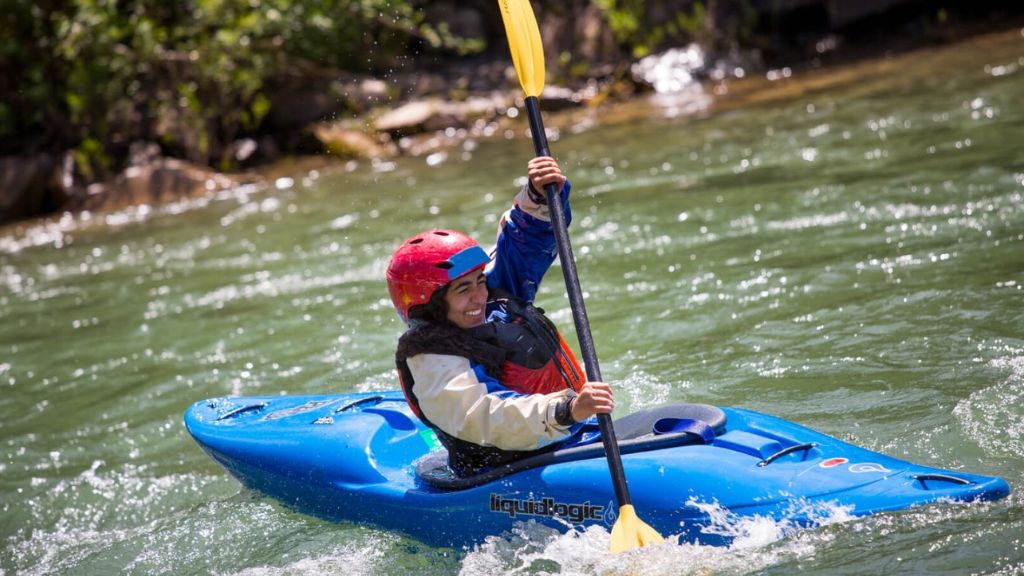
Kids and teens who already enjoy hiking may discover that they love the freedom of backpacking and have the desire to do more trips. Some trips also include river rafting, kayaking, and canoeing; kids often learn one of these boat activities for the first time and then fall in love with it!
14. Honing Communication Abilities Without Technology
At summer camps, kids and teens learn how to make friends, how to be independent, and how to be leaders. One aspect of those skills is developing their communication outside of a screen.
In an environment without phones, campers can’t rely on Snapchats, emojis, or chat slang to talk to each other.
Without a screen between them, kids have to pay closer attention to how they speak, listen, and respond. They learn to read facial expressions, work through misunderstandings, ask questions, and have real conversations with the people around them. Those everyday interactions can make communication feel more natural and help friendships develop more easily.
15. Develops Practical Outdoor Skills
One of the most distinct benefits of summer camps is that kids learn how to do real things outside.
Over the course of an outdoor adventure camp, kids might learn how to:
- Pack a backpack
- Break in hiking shoes
- Set up a tent
- Organize group gear
- Light a fire
- Cook outside
- Layer clothing for changing weather
- Filter water
- Keep bugs away
Some of those skills may not seem like much on their own, but together they help kids feel more capable.
Students who learn how to pack their own bag every morning start to understand what they need for the day ahead. A student who prepares a meal with their peers learns how to work with a group.
These are practical, confidence-building skills. Kids get to see that they can learn something unfamiliar, practice it, get better over time, and come home with something they’ll remember for life.
The feeling of wanting to learn often carries home too. Many of our students end up being more comfortable trying something new or more aware of what it takes to prepare for a day away from home.
16. Builds Safety Awareness
On an outdoor trip, safety is part of daily life.
Campers must learn to listen to leaders, stay with the group, drink water before they really need it, watch their footing on the trail, protect themselves from the sun, check their gear, and speak up if something doesn’t feel right.
Telling a child to “be careful” is one thing. Being at camp where care is crucial is another. Small choices can impact the whole day. Leaving their water bottle behind means relying on someone else for water over the course of the day. Forgetting a rain jacket might mean dealing with cold, wet clothes.
At Overland, students are supported by trained leaders who help them understand what safe travel looks like. Leaders are there to guide decisions, but students still get chances to ask questions and build better habits.
This is one of the less obvious benefits of summer camps, but it’s important. Eventually, kids connect that newfound sense of awareness with responsibility. They learn that safety isn’t connected to fear. The point is to pay attention, prepare, and look out for themselves and the people around them.
17. Strengthens Patience
Camp gives kids a lot of practice with patience.
They may have to wait for kids in their group to finish packing, wait for dinner to be ready, wait for weather to pass, wait for a turn in the bathroom, or wait while another camper gets help from a leader. They may also have to move at a slower pace than they’re used to, depending on the group.
This can be a challenge for kids who are used to instant gratification. Not having things on demand can be a bit frustrating at first. At camp, things are naturally slower. Students must also share space, share time, and adjust to the group.
Being patient isn’t a passive skill. It takes effort. If a camper is irritated about someone else moving slowly, they have to figure out how to manage it in a positive way instead of lashing out.
Over time, these little moments of practicing patience add up. All of a sudden, not every little delay is a disaster. They learn to be flexible when plans change.
Having patience makes it easier to make friends at camp as well. A student who learns to listen and make room for others is usually easier to travel and live with.
18. Develops Goal-Setting Skills
Another one of the major benefits of summer camps is that kids get to work toward specific goals.
Some of those goals are obvious:
- Hike to the next campsite
- Complete the river rafting excursion
- Learn how to light a fire
- Reach the main viewpoint
- Make dinner for the group
- Start a conversation with someone new
Other goals are more personal.
A camper might be struggling with feeling homesick and find a way to overcome that feeling. They may want to learn how to be more of a leader in a group setting.
Students get to practice the things they want to improve each day, and hopefully, they can wake up each morning feeling the progress they made the day before.
A student who struggles on that first hike may learn how to pace themselves by the third. A student who starts the trip unsure of themselves may find a new group of supportive friends.
Some goals aren’t as simple, and that’s why leaders are here to help students break big goals into smaller steps, so they have something to accomplish each day.
19. Encourages Gratitude and Appreciation

Time away from home can give kids a new appreciation for the things they usually take for granted.
Not all creature comforts can be found at camp. Students may not have their own room, their usual snacks, their phone, their favorite pillow, or the exact routine they follow at home. They may have to carry everything they need for the day, share supplies, eat whatever the group cooks, and adjust to weather and trail conditions.
With less, the little things feel more meaningful. It’s hard to compare anything to that sip of ice-cold water after reaching the top of the summit or a dry pair of socks the night after a kayaking excursion.
Gratitude also grows through group life.
Campers see how much leaders do to support the trip. They may notice when another student helps with a task or offers encouragement, and figure out how they can do the same.
This is one of the benefits of summer camps parents say they notice when their kids get home. They’re more appreciative of meals, routines, family, rest, and the chance to spend time outside.
20. Teaches Time Management
Camp is on a different schedule than normal life, and kids have to learn how to keep up with it.
You can’t just wake up, grab a quick breakfast in the kitchen, brush your teeth, and get on with your day.
You may have to start a fire to cook, clean up, pack up a sleeping bag, take down a tent, check to make sure you have your essentials for the day, and more, all before getting on the trail.
It’s easier for kids to see how their timing affects the rest of the group at camp. If one camper can’t find their rain jacket, everyone may have to wait. But if that camper learns they have to pack carefully the night before to avoid that, it makes the next morning a lot easier.
It’s just as much a safety- and comfort-related skill as well. The group might have to start a hike on time so they can get camp set up before it gets dark.
Time management is a skill students can carry throughout their lives.
By the end of the trip, many students have practiced the same lesson again and again, becoming well aware that being ready helps the whole group. It might sound like a simple idea, but it can be a big step toward independence.
Frequently Asked Questions About Summer Camp
Choosing the right summer camp can bring up a lot of questions, especially if it is your child’s first time away from home. Here are a few things parents should know when deciding whether camp is the right fit and preparing their child for the experience.
At what age do children benefit most from summer camp?
There isn’t one perfect age for summer camp. Kids can benefit at different stages depending on their maturity, interests, and comfort being away from home. Younger campers may practice independence and social skills, while older kids and teens may be ready for greater responsibility, longer trips, and more challenging activities.
How long should a child attend summer camp to see meaningful benefits?
There is no set number of days a child needs to attend camp to benefit. Even shorter programs can introduce new activities, friendships, and routines. Longer trips provide more time to settle into the group, practice skills, take on responsibility, and work through challenges that may require patience and persistence.
What should parents look for when choosing a summer camp?
Look for a program that matches your child’s age, interests, experience, and comfort level. Parents should also consider staff training, camper supervision, medical procedures, communication policies, and activity planning. A good camp should challenge kids appropriately while clearly explaining how it prepares for safety, emergencies, and everyday camp life.
Are overnight summer camps more beneficial than day camps?
Not necessarily. Both day and overnight camps can help kids make friends, try new activities, and build confidence. Overnight programs may offer additional opportunities for independence because campers manage more of their daily routines away from home, but the best choice depends on each child’s age, readiness, and comfort level.
How can parents tell if a summer camp is safe and well supervised?
Ask how staff members are selected and trained, how campers are supervised, and what happens during an emergency. Parents should also review procedures for injuries, medications, allergies, severe weather, transportation, and outdoor activities. A responsible camp should be able to clearly explain its safety expectations, training, and supervision practices.
Can summer camp be beneficial for children who are shy or nervous about being away from home?
Yes. Camp can give shy or nervous kids a fresh environment where shared activities make it easier to connect with others. Small successes, such as completing a hike, making a friend, or managing a daily task independently, can gradually build confidence and show kids they can handle unfamiliar situations.
Free Download
How To Choose A Summer Adventure For Your Child
Get first-hand insights into what you should look for when choosing the next summer travel adventure for your child.
Give Your Child the Gift of Adventure!
The benefits of summer camps go far beyond having something fun to do during school break.
A camp experience can help kids build confidence, independence, resilience, leadership, practical outdoor skills, patience, gratitude, and a better sense of how to contribute to a group.
At Overland Summers, students grow through small-group outdoor adventures led by caring, capable leaders. They hike, bike, paddle, travel, learn, help, listen, and take on new responsibilities in an environment designed for their age and experience level.
If you’re looking for a summer experience that helps your child become more confident and capable, explore Overland’s trip options or start the application process today.