Are summer camps worth it? It’s a question many parents wrestle with each year before summer comes along. With busy schedules, limited finances, and the pressure to give your child a meaningful summer experience, there’s a lot to consider.
The short answer? Absolutely. Summer camps can 100% be worth it, though it also depends on your child, your shared goals, and the type of program you’re looking at. While there are still camps with cabins, canoe races, and s’mores around the campfire, the modern summer camp scene offers so much more. From leadership development and social-emotional growth to unplugged adventure, modern programs offer benefits that stick with children long after summer is over.
In this guide, we’ll take a look at what modern summer camps look like, what kinds of benefits they offer, and how to decide if enrolling your child or teen in one is the right move for your family.
What Summer Camps Offer Today

Don’t get us wrong, we love a classic summer camp experience. Staying with new friends in small cabins, singing around a campfire at night, doing crafts during the day, and prepping for the end-of-summer talent show:these activities are the formative memories of so many adults.
But are summer camps worth it for today’s young population? Well, while many of those same classic elements of summer camp still have their place in today’s camps, many modern itineraries take into account the changing interests of kids and teens.
More Formats Than Ever Before
Traditional day and overnight camps aren’t the only options anymore. Nowadays, there are speciality camps focused on sports, arts, science, and more. There are also plenty of virtual and hybrid models that were initially introduced during the pandemic, though they stuck around due to their popularity.
No matter what your child is into, whether robotics, wilderness survival, or theater, there’s likely a summer camp out there that fits.
Read More: How Summer Camp Helps Kids Grow – 15 Key Benefits
Features of the Modern Summer Camp
More camps today offer structured STEM programming, mental health support, and explicit efforts toward diversity, equity, and inclusion.
Camp leaders are being trained to better understand child development, neurodiversity, and social-emotional learning to create a safer and more enriching environment than ever.
While screen-free is still our motto here at Overland Summers, we still aim to pair each and every activity with intentional reflection and mindfulness practices..
Overland Summers – A Case Study in Modern Camp Design
Our team at Overland Summers is constantly pushing for more growth-focused camp experiences.
We still want students to enjoy the recreation found in so many summer camp activities, such as hiking, backpacking, rafting, and traveling. However, we want to do so in smaller, supportive groups led by experienced adult counselors who understand how to connect each activity to real-world skills like leadership, teamwork, and cultural awareness.
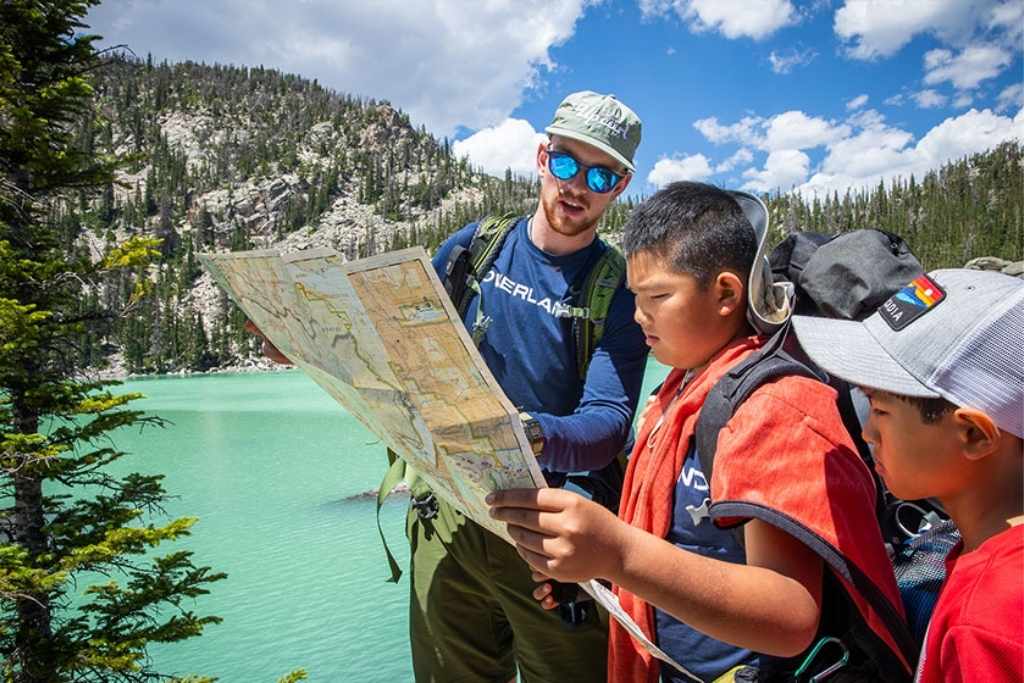
For example, a 15-year-old might join our multi-day hiking trip in the Rockies and learn how to read a map, cook outdoors, and support teammates during the physical challenges along the way, all while building confidence and making long-lasting friendships.
Our programs are specifically designed with age-specific goals in mind, so that each day offers a mix of challenges and fun.
The Benefits of Summer Camps for Kids

When families ask us, “Are summer camps worth it?,” we like to point them towards the many advantages they get out of enrollment.
Beyond the games, cabins, group photos, and time spent outdoors, summer camp should offer something deeper and more meaningful. Our goal is to help kids build skills, confidence, and relationships that they can take with them through their lives in just a few weeks.
Just like school, sports, or extra-curriculars, there’s no reason summer camp can’t shape a child into who they eventually become and how they see the world.
So, what are the benefits of attending summer camp?
Social Skills & Friendships
Summer camp is a natural social incubator. Every child who attends is swept away from their familiar circles, meaning they have to learn to interact with new peers right off the bat. Without cliques, every child gets a fresh start to introduce themselves as they want to be introduced.
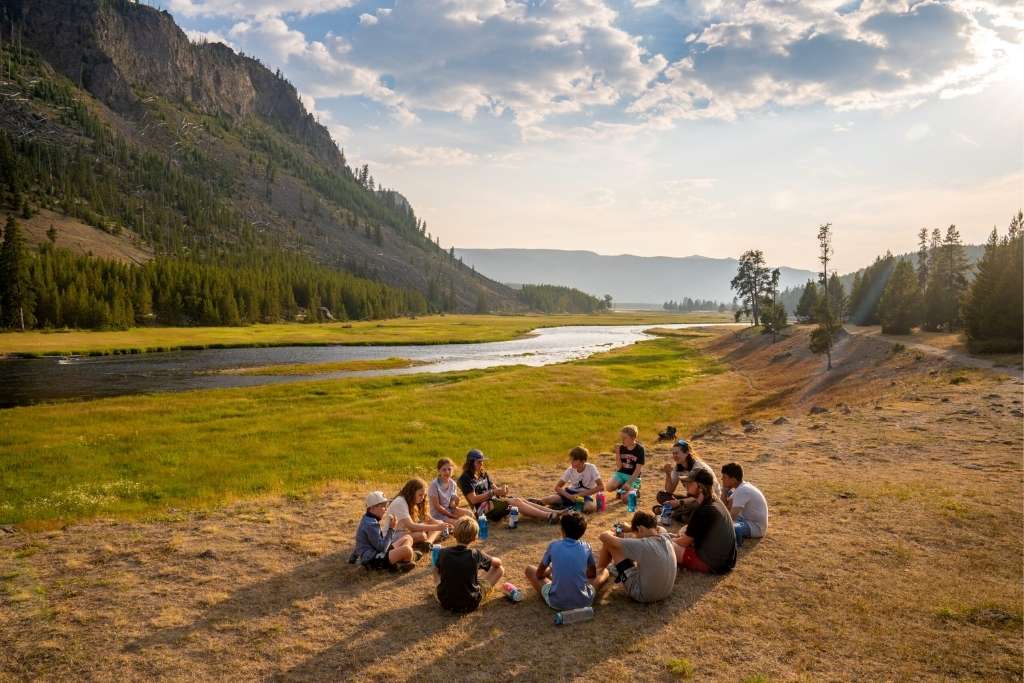
There aren’t any screens or group chats either. Just a face-to-face connection. Students on Overland trips get to enjoy group games, shared meals, and nighttime stories and chats in their tent. Through this experience, they get to learn how to make new friends, resolve conflicts, and build trust.
The beauty of camp is all experiences are shared, whether the difficulty of hiking a mountain or getting through a bout of homesickness. These shared experiences build stronger bonds than even most classroom settings provide. Most of our campers say they come home not just with memories, but with genuine lifelong friendships.
Independence and Confidence
How To Choose A Summer Adventure For Your Child
Get first-hand insights into what you should look for when choosing the next summer travel adventure for your child.
At camp, kids get to step outside their comfort zones and the shadows of their parents. For example, most kids who come to Overland Summers get their first true taste of independence. They learn to pack their backpacks each day, manage their own routines, and engage fully in planned activities, all while gaining confidence in their ability to navigate new challenges.
Skill Development
From learning to navigate rugged trails to working together on team-building challenges, summer camps have endless opportunities to develop practical and interpersonal skills.
Depending on the program, campers might learn how to cook over an open flame, follow a trail map, or build group teams based on skillsets.
While some specialty camps are highly focused on specific skills like coding and music, even traditional broad-format camps provide opportunities for critical skill-building. Children can take these skills with them and use them to support their long-term personal and academic success.
Read More: Adventure Camp vs Traditional Summer Camp – 10 Things to Know
Screen-Free Outdoor Time
One of the most valuable aspects of camp is the chance to unplug. Teens here in the U.S. spend an average of 7.5 hours looking at screens, which is why summer camps offer a much-needed digital detox.
Instead of scrolling or streaming, campers get a chance to hike, swim, explore, and play.
Being outdoors is essential for our health.
Time in nature has been linked to lower stress, better mental health, and enhanced physical activity. Camp can be incredibly refreshing for kids who spend most of their time on devices or in classrooms. For many, it’s a necessary reset.
Are Summer Camps Worth It Financially?

The biggest hurdle for many parents is the cost, which is why it helps to compare the different types of camps and the kinds of value they provide.
If you’re wondering, “are summer camps worth it?” Based on cost, let’s take a look.
Day vs. Overnight vs. Specialty Camps
Day camps are typically the most affordable option, at around $73 to $87 per day across the U.S. We highly recommend them for younger kids or first-timers who aren’t ready for extended time away from home.
Overnight camps, on the other hand, are often much more expensive. You can easily expect to spend between $1,000 and $2,500 per week, if not more. However, they also provide a more immersive experience, with better opportunities for independence and bonding.
Specialty camps, like STEM, music, or adventure-based programs, tend to be on the higher end of the scale, often exceeding $3,000 for multi-week sessions.
Read More: How to Choose a Summer Camp – A Complete Guide for Parents
Tangible vs. Intangible Value
The financial return on camp isn’t always visible in a single summer.
When we’re asked, “are summer camps worth it?,” we often point to the lifelong benefits that come from it.
Some of the tangible benefits may be pretty obvious, such as learning a new language, mastering outdoor survival skills, or earning community service hours.
Intangible returns, which are arguably more important, might include better confidence, independence, resilience, and friendships that last well beyond the session’s end.
How to Decide if Summer Camp Is Right for Your Child

Even if summer camps are worth it in general, they don’t offer a one-size-fits-all experience.
Every child is different, and so is every camp. You have to answer a few questions about your child and your family’s circumstances to figure out what makes sense.
An “Is Your Child Ready for Camp?” Checklist
- Are they curious about new experiences?
- Do they enjoy being around other kids?
- Are they comfortable spending time away from home?
- Can they follow basic routines or group rules?
- Are they interested in a specific activity (sports, art, nature)
- Are they open to trying something new (even if nervous)?
Cost vs. Benefit vs. Alternatives
Ask yourself:
- What would my child gain from this experience?
- Does the camp match our family’s budget and values?
- Are there other experiences that could provide similar benefits this summer?
Expert Insights & Data

Sometimes, data is one of the best things to look at to get real answers to questions like, “Are summer camps worth it?”
According to the American Camp Association (ACA), over 26 million children attend summer camp in the U.S. each year, and some surveys show that 93% of campers say they feel more connected to others and 92% report increased self-confidence after attending.
Many child psychologists agree that camps help build resilience.
Dr. Michael Thompson, co-author of Homesick and Happy, notes that “camp gives children a rare and crucial opportunity to separate from their parents and develop a stronger sense of self.” Camp experiences can be very complementary to school learning.
With more than 40 years of experience, Overland Summers is a prime example of a camp program that evolves with modern needs while maintaining its core values.
With small group sizes, professional leaders, and expeditions designed to challenge and support, we help campers develop real-world skills in natural settings,
As camp alums Vivian and Ansley put it:
“It has completely changed our lives and wecan’t wait to continue doing it for years to come.”
Free Download
How To Choose A Summer Adventure For Your Child
Get first-hand insights into what you should look for when choosing the next summer travel adventure for your child.
Final Verdict – Are Summer Camps Worth It?
For many families, absolutely.
Camps can be an investment in your child’s growth, helping them build confidence, social skills, and a lifelong connection to the outdoors. They encourage independence and curiosity in ways that few other environments can.
Of course, not every child is ready for or interested in camp, and not every camp offers the same value. That’s why it’s so important to match your child’s personality and goals to the right experience.
With small groups, expert leaders, and meaningful adventures, our team at Overland Summers offers campers a supportive space to grow and thrive.
Get in touch with us to learn more.