College asks teenagers to step into a new level of independence.
For many students, it’s the first time they are having to manage their daily routines, academic expectations, social decisions, shared living spaces, and personal responsibility with far less immediate support from home. A teen might be ready for the academic work, though that doesn’t necessarily mean they know how to deal with the demands of living on their own.
For many students, that leap from regular home life can feel enormous.
When it comes to how summer camp prepares teens for college, the benefits are endless:
- Summer camp gives teens a practice run at independence
- It helps teens learn to make choices without immediate parent input
- It helps teens handle discomfort and change
- It helps teens develop responsibility and accountability
- It helps teens practice communication skills
- It helps teens build confidence in new social settings
- It encourages teens to advocate for themselves
- It helps teens see themselves as capable young adults
A quality teen summer program gives students a practice run at independence before college begins. They spend time away from home, manage their daily routines, work through discomfort, build friendships, solve problems, and learn to ask adults for help who aren’t their parents.
And yes, for resume-minded families, camp can also become part of a larger story. Leadership. Service. Travel. Challenge. Growth.
Here’s how camp gives teens a place to practice their real-world skills.
How To Choose A Summer Adventure For Your Child
Get first-hand insights into what you should look for when choosing the next summer travel adventure for your child.
The College Transition Requires Real-Life Skills
We often think of college in terms of grades, applications, test scores, essays, and extracurriculars.
All of that counts. But once students arrive, a different set of skills takes over.
Can they manage their time when nobody is checking in on them? Can they handle a tough conversation with a roommate? Can they ask a professor, advisor, or resident assistant for help? Can they recover when a day goes completely sideways?
College requires teenagers to function with more freedom and less immediate oversight.
That can be exciting. It can also be messy.
A student who has never had to manage much on their own may find the transition jarring. Suddenly, nobody is reminding them to make breakfast before class, get enough sleep, do laundry, or plan ahead.
Summer camp gives teens a smaller, more supported version of that experience.
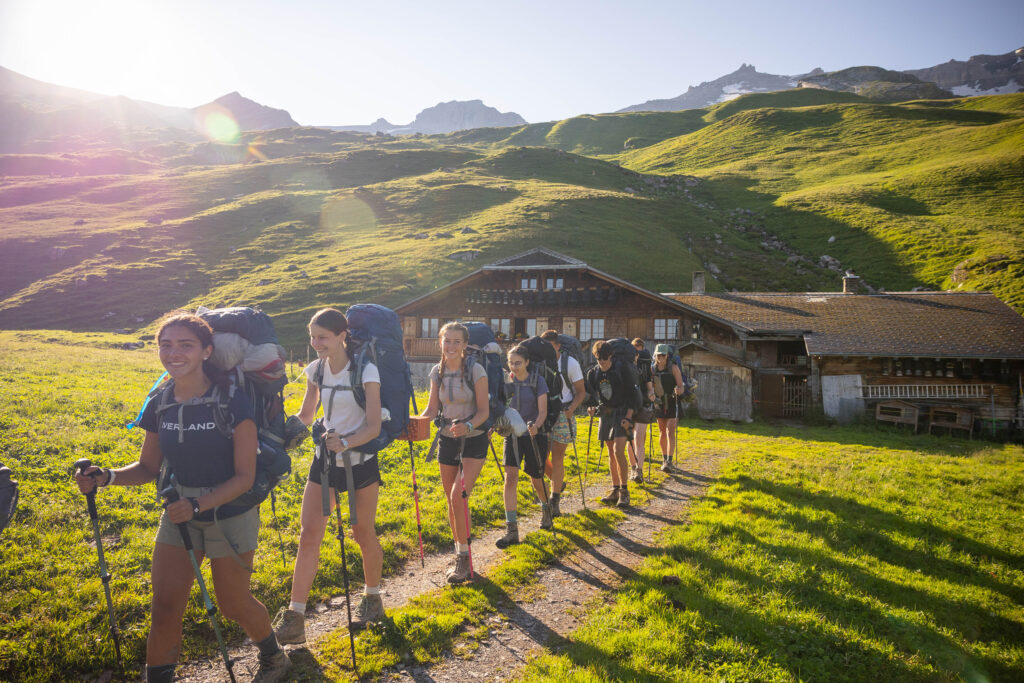
They’re away from home, but not alone. They have freedom, but not a free-for-all. They’re expected to participate, contribute, communicate, and take ownership of their choices. They might have to take on a set of backcountry skills, learning how to do things from scratch, like setting up bear hangs or packing their packs properly.
That’s how summer camp prepares teens for college.

Summer Camp Gives Teens a Practice Run at Independence
Independence sounds big. But at camp, it can be practiced in little ways.
Your teen has to wake up and get ready on their own without their parents knocking on their door three times. They have to organize their clothes and gear. They have to keep track of their water bottle, sunscreen, and whatever else the day might require.
Camp lets students experience the natural consequences of small decisions in a setting where supportive adults are still close by. Forgot your warm layer? You’ll remember it tomorrow.
At Overland Summers, our programs often involve hiking, travel, service, or outdoor adventure. Independence is necessary. Beyond managing their bunk area, they have to manage themselves in different environments, from trails to campsites and during travel days.
By the time college comes around, a student who has already spent time away from home has some proof that they know how to handle themselves in a new place.
That also becomes useful when students begin thinking about applications. Independence is a quality many colleges like to see, and it’s especially strong when it points to a specific experience.
Teens Learn to Make Choices Without Immediate Parent Input
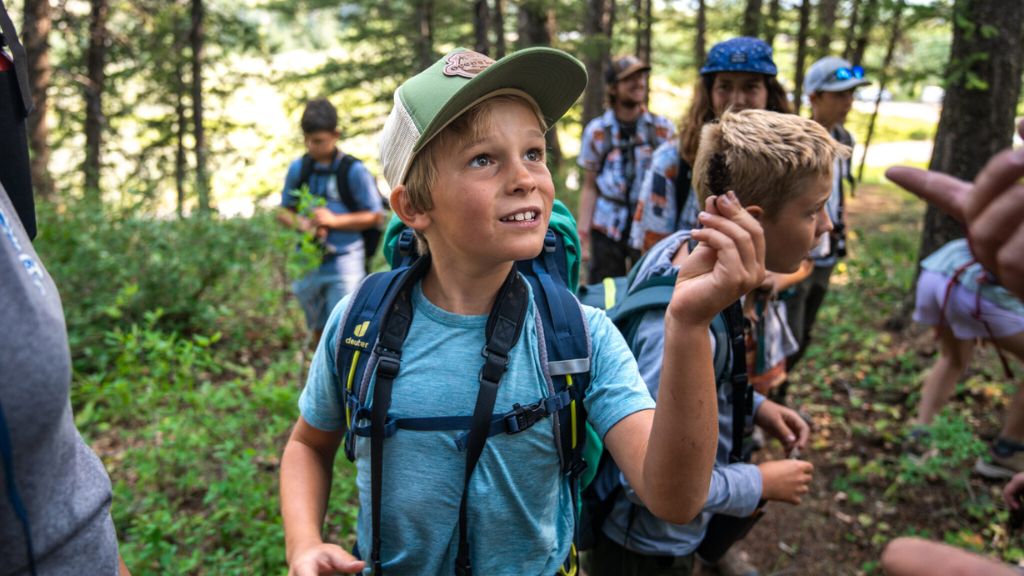
Teenagers make choices all day at camp.
Some might be small, like figuring out what to wear for the weather or wondering if now is the best time to refill their water bottle. Others are more emotionally-driven. Should I join in on this conversation? Do I tell one of the leaders I’m feeling tired, or should I just pretend like everything is okay?
Some are small. What should I wear for the weather? When should I refill my water?
At home, parents are there to help teens think through decisions. And while it can be helpful sometimes, camp creates more space between the moment and the rescue.
Teens get to practice judgment. They can make a choice, see what happens, and adjust. They eventually learn that small mistakes aren’t the end of the world, which is one of the most obvious ways summer camp prepares teens for college.
Camp Helps Teens Handle Discomfort and Change
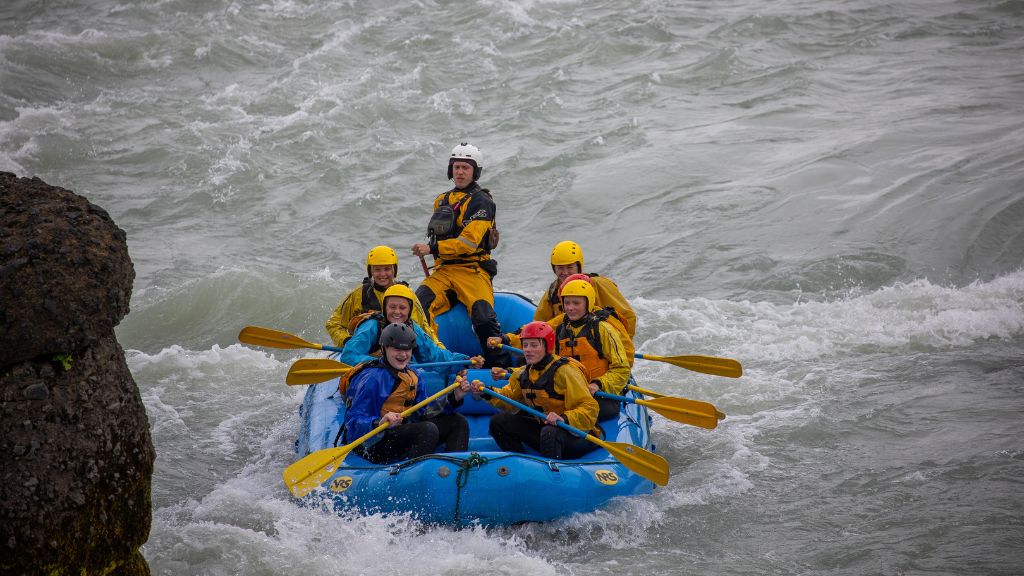
While camp is fun, that doesn’t mean it’s always easy.
There are mornings your teen might wake up feeling exhausted. They might have to deal with awkward first conversations or moments when they’re homesick.
For some teenagers, that discomfort can be helpful.
Not because anyone wants them to struggle for the sake of struggling, but for the value of learning how to handle discomfort.
A teen can feel nervous and still make an effort or feel tired and still contribute.
Those moments build emotional resilience.
College will be uncomfortable in moments as well.
A difficult class. A lonely first week. An issue with a roommate. Being late to a lecture because they couldn’t find the building.
Students who know how to recover from setbacks are better prepared for all of that. They know one little hard moment doesn’t have to define the whole experience.
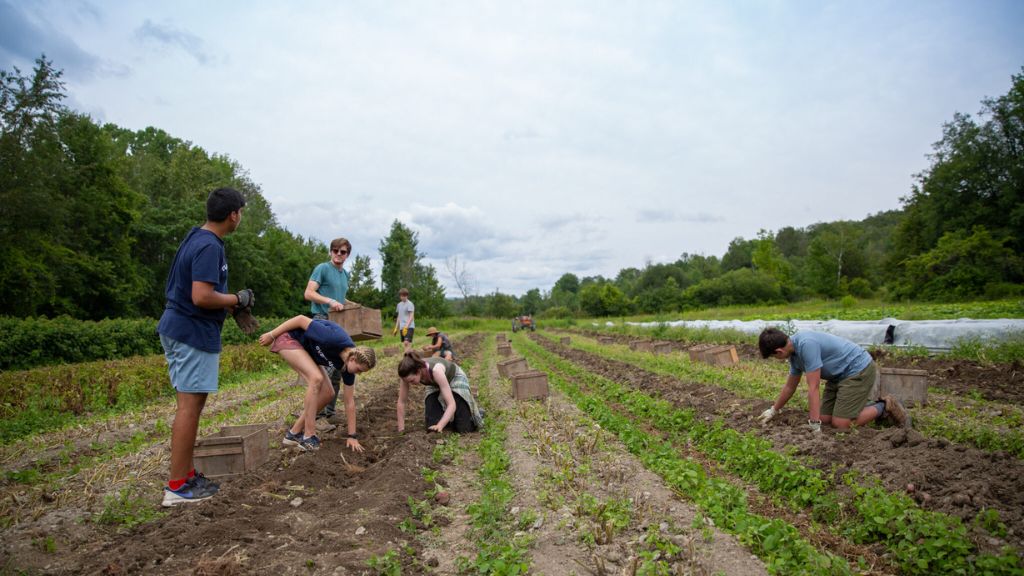
Group Living Builds Responsibility and Accountability
If you lived in the dorms, you probably remember how shocking it was at first.
You’re a teenager who all of a sudden has to share space with people who have different habits, schedules, personalities, and expectations. Your teen might be neat and tidy, but now they’re living with someone who leaves things everywhere.
Camp gives teens practice with group living.
They share cabins, tents, bathrooms, meals, gear, and time. They learn that their choices affect other people. If they leave a mess, someone else has to deal with it. If they ignore group expectations, the whole group deals with the consequences.
You can’t teach that kind of accountability in a lecture hall.
Teens learn to respect shared space because they’re living in it.
Lessons like these transfer directly to college. Their eventual roommates, study groups, clubs, teams, labs, and residence halls will all have shared expectations. Teens who have already practiced group living tend to enter those spaces with more awareness.

Teens Practice Communication Skills They’ll Need in College
A college student has to communicate with a lot of people:
- Professors
- Advisors
- Roommates
- Resident assistants
- Coaches
- Employers
- Friends
- Strangers in a dining hall
- The person at the front desk when their key card stops working
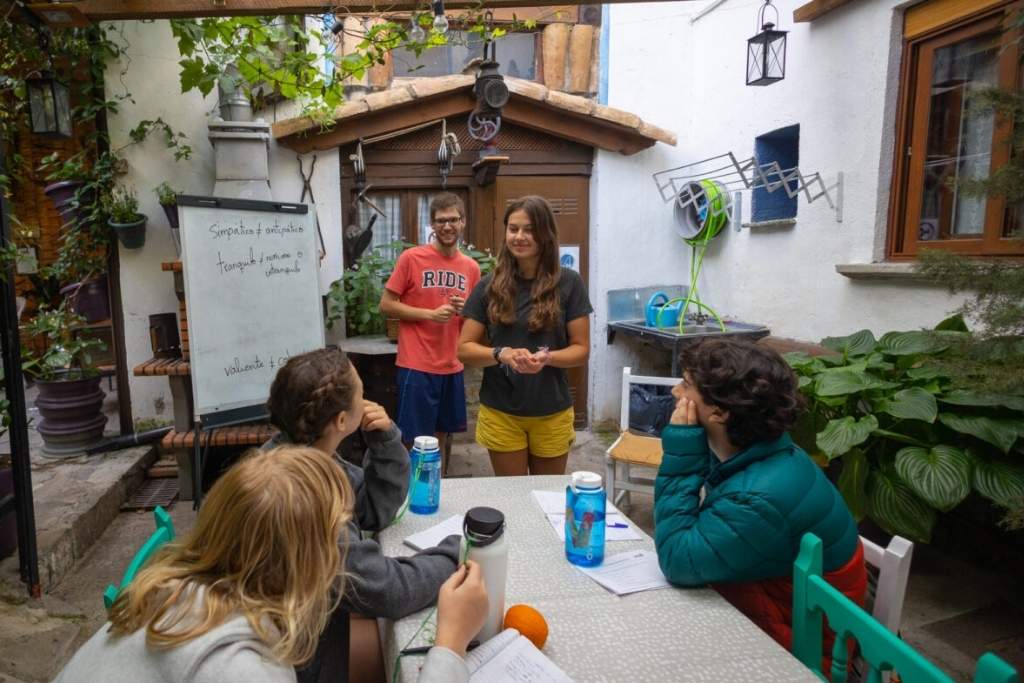
Summer camp gives teens low-stakes but meaningful practice in speaking up.
It also teaches them how to listen. They can hear instructions, respond, take feedback, and maybe even learn how to disagree without conflict.
Communication impacts everything in group settings. But students who know how to communicate properly are better equipped to handle academic, social, and personal challenges, and that’s how summer camp prepares teens for college.

Camp Helps Teens Build Confidence in New Social Settings
College is one new social setting after another. From their first day at orientation, teens are thrust into a world of classes, dorm rooms, clubs, dining halls, and study groups. That doesn’t even include everything going on on the weekends.
That can be intimidating, even for outgoing teens.
Camp helps by giving students practice entering a new community. They arrive not knowing everyone (maybe not knowing anyone). The first meal may feel a little awkward, but slowly, things change.
Two students discover they both love the same band, or a group might bond on a hike or service project.
Better yet, friendships at camp often form without screens. Teens can’t disappear into their phones every time there’s a lapse in conversation. They have to look around, talk, listen, and find their way into the group.
That practice is incredibly useful when they get to college.

Camp Encourages Teens to Advocate for Themselves
Self-advocacy is one of the most important college-readiness skills.
Students need to be able to email their professors, talk with advisors, address their roommates when issues come up, and seek support when they need it.
Camp is a place to practice self-advocacy.
A student may need to tell a leader they are struggling with homesickness or explain that they’re nervous about an activity.
Of course, the act of speaking up can be harder than it looks.
Many teens are used to adults noticing and stepping in. But at camp, they have to support themselves.
That does not mean they’re left alone to figure everything out. The best leaders pay close attention. But teens still learn to meet adults halfway, and that skill will serve them long after camp ends.
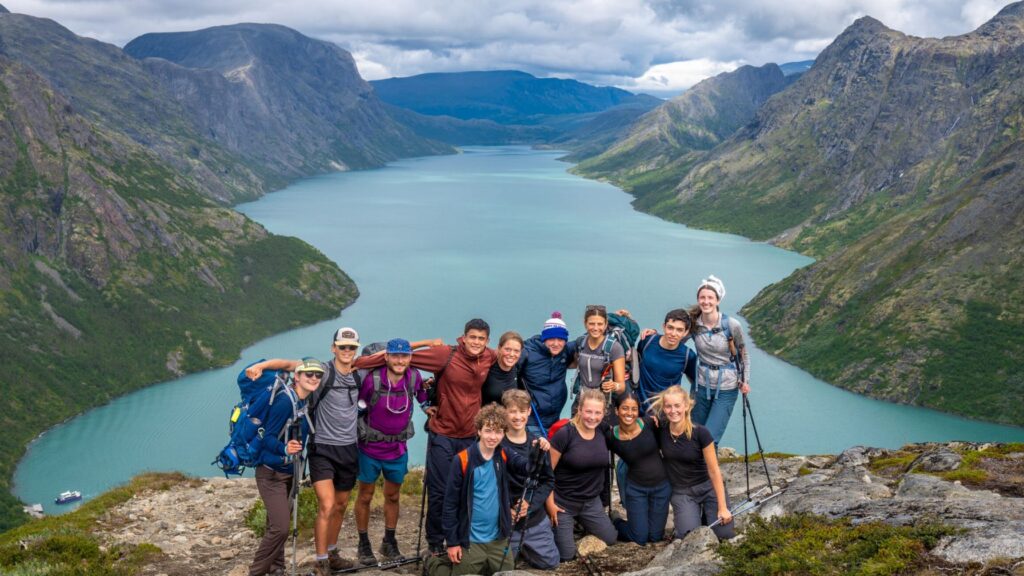
Summer Camp Helps Teens See Themselves as Capable Young Adults
One of the most valuable parts of camp is the way it changes a teen’s view of themselves.
A student might realize they can spend a week or more away from home, make new friends, and be completely responsible for themselves.
There’s nothing more powerful than trusting oneself.
By high school, many teens are caught between wanting independence and doubting whether they are ready for it. Camp is the perfect testing ground for that question.
Most teens come home feeling more mature or independent because they have had to practice it. For many Overland campers, the experience becomes part of their personal story.
Students can draw on challenging trips, leadership moments, service projects, and even hard days they had at camp later on when they’re in interviews or writing college essays.
A great summer experience doesn’t need to be dressed up to sound impressive on a college app. Some of the best application material comes from specific moments, like working through conflict or taking responsibility during a group task.
Many students tell us that their Overland trips become parts of the story they tell in college essays or interviews, not because it sounds fancy, but because it gives them something real to reflect on.

How Parents Can Choose the Right Teen Summer Program
Not every summer camp will prepare teens for college in the same way. There are many different types of summer camps.
Some are built mainly for entertainment. Some are highly structured with real responsibility built in.
If your goal is growth, look for a program that gives older students the right mix of independence, support, and challenge.
A good teen summer program should include:
- Programs built for older campers. Teens want more than a beginner camper experience. Look for trips or programs designed around high school students.
- Age-appropriate challenge. The experience should stretch students without being overwhelming.
- Small-group structure. Smaller groups give teens more chances to participate, lead, speak up, and form real relationships.
- Supportive leadership. Leaders should know when to step in, when to step back, and how to help teens grow without micromanaging them.
- Room for independence. Teens need chances to make choices, solve problems, manage routines, and take responsibility for their role in the group.
- Experiences to reflect on later: The best teen programs give students real stories about responsibility, leadership, challenge, and growth, which they can use as meaningful talking points in college essays or interviews.
Parents should also look closely at the program’s overall philosophy, as well as:
- Communication
- Safety planning
- Leader training
- Travel logistics
The description of a camp program should explain not only what students will do but also why those experiences are valuable.
Overland’s teen programs combine outdoor adventure, small groups, thoughtful planning, and growth opportunities through real responsibility. We believe in giving teens the kind of structure that helps them grow without losing the joy of summer.
Free Download
How To Choose A Summer Adventure For Your Child
Get first-hand insights into what you should look for when choosing the next summer travel adventure for your child.
The Real Preparation for College Starts At Camp
College readiness is not only about academics.
It’s about whether a teenager can live with greater independence, manage the things that make them feel uncomfortable, communicate with their peers and leaders, and build relationships with new people.
Summer camp gives teens a place to practice all of that before they ever head off to college.
If you’re looking for a summer experience that gives your teen more than a break from school, Overland can help you find the right fit. Explore Overland’s teen adventure programs, contact the team with questions, or request a catalog to start planning the next step.