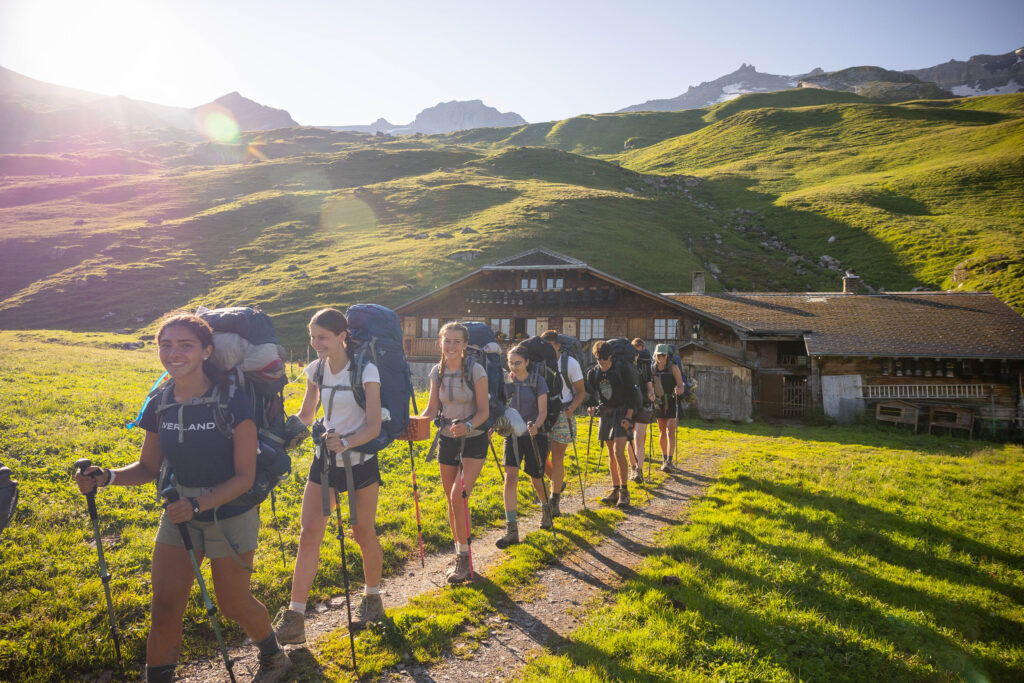
By the time summer rolls around, your teen already has a lot going on.
Classes, tests, grades, sports, college pressure, group chats, social media, jobs, activities, friendships, and the pressure to keep up with it all. Teens have a good way of keeping up appearances like they’re handling everything well, but that doesn’t mean the school year doesn’t leave them mentally and emotionally torn.
Summer can help, but packing a million things into a schedule, like extra classes, tryouts, and vacations, may not give them the reset they need. The right summer program, however, can offer structure without the pressure.
So, what are the ways summer camps can help your teen recharge? Summer camps:
- Give teens a break from academic pressure
- Allow teens to spend less time on screens
- Allow teens to spend more time outdoors
- Help teens build real social connections
- Help rebuild confidence
- Let them develop greater independence
- Allow them to build resilience through healthy challenges
- Help teens rediscover fun without pressure
- Create a healthier daily routine
- Connect teens with supportive mentors
Of course, summer camp is not a replacement for mental health care. If a teen is struggling with anxiety, depression, burnout, or some other serious concern, seek support from a qualified professional.
But if you’re just looking for a way to get your teen out of their stressful, everyday routine while they build independence, here’s a closer look at how summer camps can help reduce teen burnout and improve mental health.
1. Take a Break From Academic Pressure
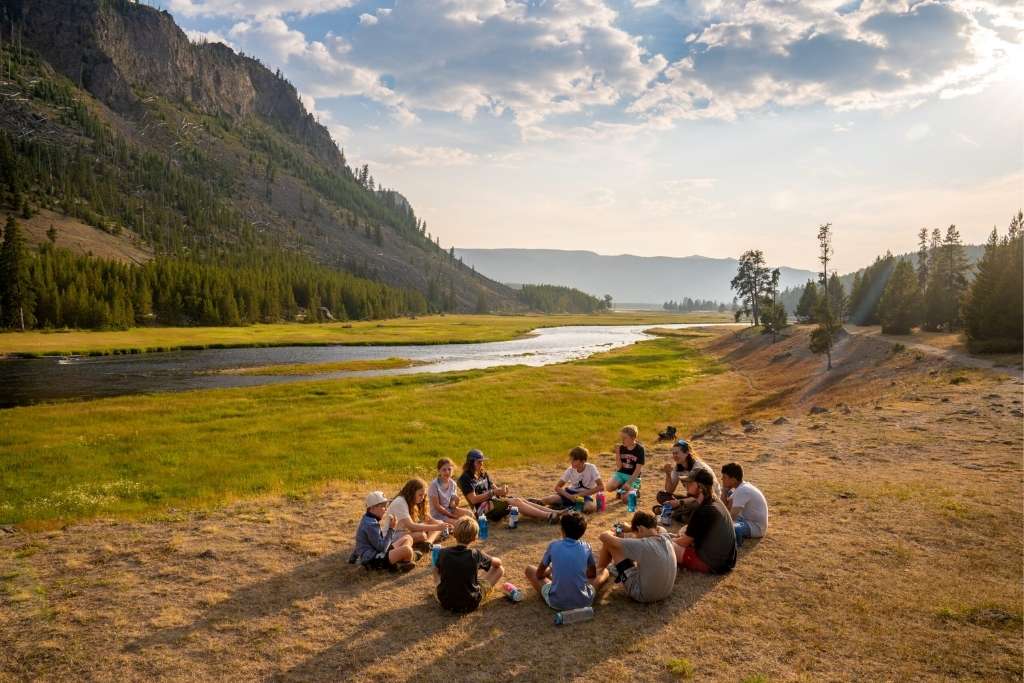
For many teens, the school year can feel like one long performance review. Grades, tests, AP classes, college planning, sports schedules, and extracurricular commitments can take their toll.
A summer program can be goal-oriented but in a different way.
Instead of earning a grade, they might try to reach the next campsite after a long hike or learn how to paddle across a lake. These goals can be great for teens who are used to judging themselves by academic results.
There’s still structure. They still have responsibilities. But instead of sitting at a desk trying to keep up, they are moving, learning, helping, and growing in a setting that gives them room to breathe.
2. Spend Less Time on Screens
Teens live much of their lives through screens. But it’s that constant access that can also make it harder to rest.
Even downtime can turn into doomscrolling.
One of the best ways summer programs can help your teen is by giving them a break from that cycle.
Screen-free or limited-screen summer programs give teens a chance to be fully present. They talk to their peers face to face. They pay attention to the trail, the weather, the water, the meal they’re cooking, and the activity they’re a part of.
At first, it can feel strange.
Some teens will need time to adjust. But once they do, they’ll remember how good it feels to laugh without filming it and have conversations without checking their phone.
3. Spend More Time Outdoors

It’s no secret that time spent outside is good for our health.
During the school year, many teens move from their classroom to their car to their bedroom to their phone.
But in a summer program, they get fresh air and open space. They might get the chance to hike through a forest, paddle on a lake, sleep under the stars, swim in a river, or eat dinner while watching the sunset.
This is one reason outdoor programs can be such a great answer to burnout. They can bring teens back into the physical world and help them feel grounded.
4. Build Real Social Connections
Teen social life can be intense. Between online group chats, school friend groups, sports teams, social media, and peer pressure, it can make it hard for teens to know where they truly fit in.
Summer programs offer a different kind of social environment.
Most take place with small groups. And most of the students are new. They spend full days together, eating together, traveling together, learning together, and figuring out group life together. They make friendships through shared experience.
This can be especially meaningful for teens who feel boxed in by their school identity.
5. Rebuild Confidence
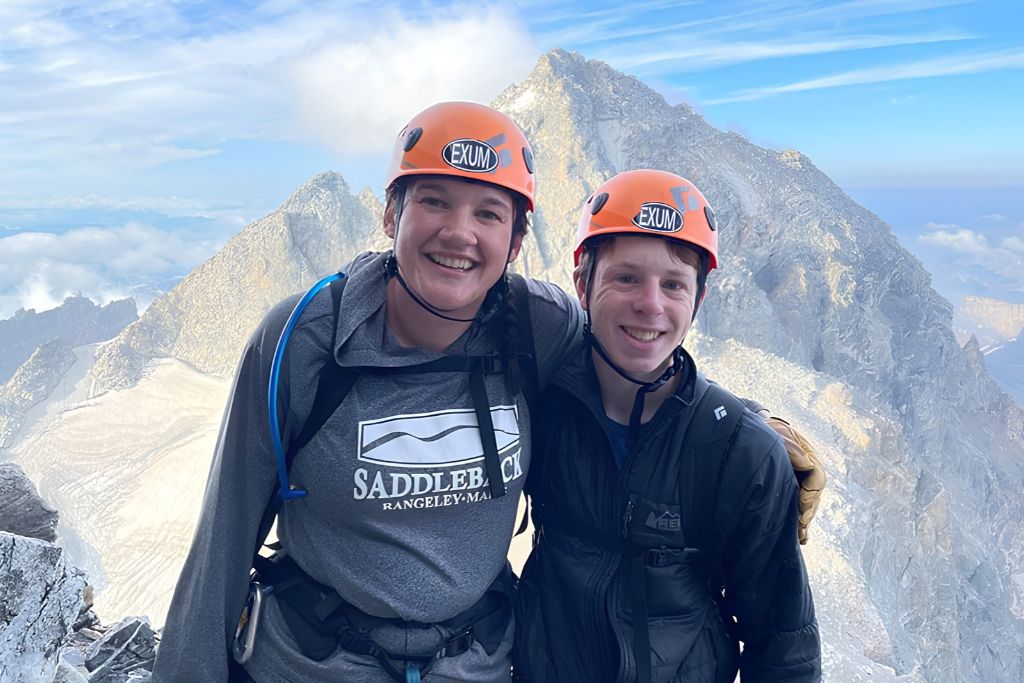
Burnout can make teens feel smaller than they are.
Summer programs can help rebuild their confidence with small, repeated experiences.
They’ll learn how to pack a bag. They’ll learn how to finish a hike they were nervous about. They try something new for the first time, like kayaking or rock climbing.
A good summer program gives teens chances to grow every day. It won’t necessarily make everything easy, but it will give them the support to learn and make progress.
6. Develop Greater Independence
Teenagers need chances to practice independence before adulthood arrives all at once. They usually get help at home and at school from their parents and teachers. A summer program gives them a supported place to take more responsibility themselves.
They may need to keep track of their gear, get ready on time, help with group chores, or discuss decisions with a group.
This kind of independence is something they can take with them. They can return home from a trip with a different sense of responsibility.
7. Build Resilience Through Healthy Challenges

Teens don’t need constant pressure, but they do need chances to do hard things in healthy ways.
A good summer program offers challenges with supportive leaders nearby. They can help teens create and achieve their goals, whether it’s summiting a mountain on a hard hike or making a new friend.
The goal of a good summer camp is to give teens a safe, age-appropriate way to learn that discomfort doesn’t mean failure.
They can then carry that lesson back into school, friendships, sports, job searches, and family life.
8. Rediscover Fun Without Pressure
Some teens forget what fun feels like when every activity they do is something they feel they have to win or document.
Summer programs bring fun back to basics. Teens get the chance to laugh, play games, share inside jokes, go swimming, and make memories for the sake of fun itself.
Fun helps teens reconnect with themselves. It reminds them that life is not only about productivity. And what could be better after a demanding school year?
9. Create a Healthier Daily Routine
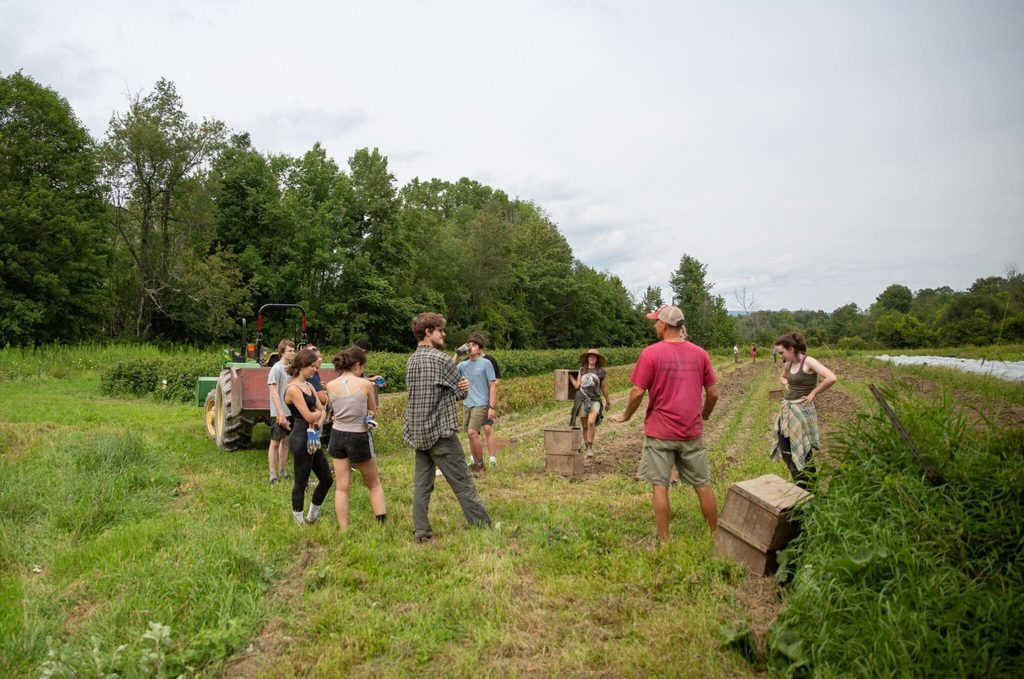
Burnout can get worse when there’s no routine.
Teens can fall asleep at weird hours or skip meals. They can spend too much time scrolling on their phones when they should be out moving. Being in a strange, routineless cycle can make them feel more tired.
Summer programs create a healthy daily pattern.
Teens wake up with a group. They eat regular meals. They spend time outside. They take part in planned activities. They go to bed tired after a full day.
Structure is simple, but it can be powerful.
When they return home, they may bring some of those structural habits with them. These daily habits can also help prepare teens for college, where they’ll take greater responsibility for managing their time and routines.
10. Connect With Supportive Mentors
Teens need adults who believe in them without acting like parents or teachers.
Summer leaders can play an important role here. They guide the group, set expectations, model good judgment, and help students handle the challenges that come up during the trip.
A supportive leader can also notice when something is wrong and help them work through conflict.
This kind of mentorship can feel different from advice at home. Teens may be more open to feedback from a trusted leader during a shared experience.
Those moments can help a young person feel seen.
How To Choose A Summer Adventure For Your Child
Get first-hand insights into what you should look for when choosing the next summer travel adventure for your child.
What Makes a Good Summer Program for an Overwhelmed Teen?
Not every program is right for every teen.
A teen who is already burned out may not need a summer competition. The best program is one that offers structure, care, challenge, and room to reset.
Small Groups
Small groups make it easier for leaders to get to know each student. They also help teens feel seen, included, and part of the experience.
For overwhelmed teens, this can have a huge impact. They have more chances to contribute and make friends instead of disappearing into the crowd.
Supportive Leaders
Supportive leaders are one of the most important parts of a good summer program.
Teens need adults who can guide them through new experiences. The best leaders know how to provide encouragement, when to step in, and when to give students room to figure something out on their own.
Healthy Structure
Having a plan for each day goes back to the daily routine we discussed. But routines don’t need to feel rigid.
Teens should know what is expected of them and how they can contribute. But at the same time, the schedule should leave room for fun and rest.
Outdoor Activity
Outdoor activity gives teens something to focus on. Our Overland trips can include:
- Hiking
- Biking
- Paddling
- Rafting
- Rock climbing
- Camping
- Traveling
They get the opportunity to practice skills daily and enjoy time outside.
Limited Screen Time
Teens from 14 to 17 average about 8.5 hours of media use each day. This rising screen time can have adverse effects on their mental health.
By limiting screen time, we help teens who feel worn down by constant connectivity.
Summer programs give students a reason to put the phone away. That way, it’s not so much a rule they have to follow. When teens are busy hiking, talking, laughing, cooking, or setting up camp, they don’t feel the need to be on their phones.
Age-Appropriate Challenge
A good summer program should provide teens with an appropriate level of challenge. The goal is to help a teen build confidence and resilience.
Too much challenge, however, can make an already overwhelmed teen shut down. That’s why finding a program that can strike the right balance is key.
Enough Downtime
Downtime is also important.
Teens need space. If they want to read, write, or sit and daydream after a full day of being out, they should have the time to do that. Not every minute has to be filled with something meaningful. Quiet moments are when students have time to process what they’ve done.
The Right Fit
Most of all, the program should match the teen’s interests and readiness.
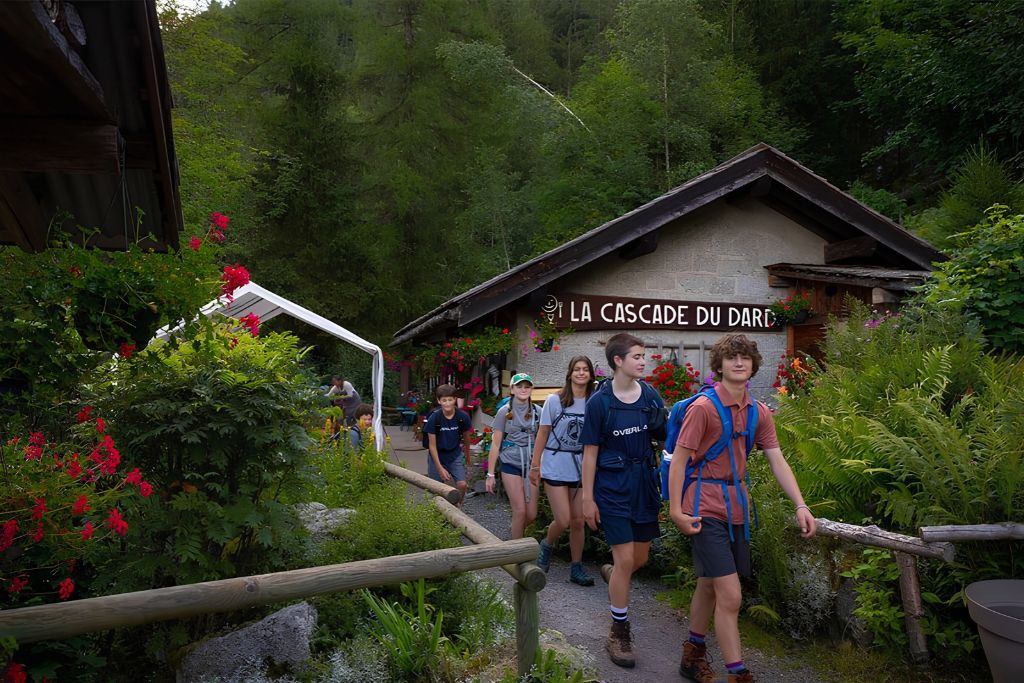
A student who loves language may thrive in a travel-and-language program, like Overland’s French Language and Hiking trip. A teen who loves outdoor activities may be drawn to backpacking, paddling, or biking. A student who cares about service or the environment may feel more connected to a stewardship-focused trip, like an Environmental Stewardship Alaskan program.
Bringing the Benefits Home
Teens often bring home more than photos and stories. They may come back with a little more confidence and a little more independence.
As a parent, you may notice your teen is more willing to try new things. They may have an easier time talking to adults. They may be more patient in frustrating situations, or take more responsibility for their daily schedule.
Screen habits may change as well. A few weeks away from constant notifications can remind teens that they don’t need to be connected every second of every day.
The same goes for challenge. They’ll come back with proof of having done difficult things, like summiting a mountain or learning a new skill.
This is how summer camps can help reduce teen burnout and improve mental health. They provide a reset, but also experiences they can carry forward.
FAQs

Choosing the right summer program can bring up plenty of questions, especially when your teen is feeling overwhelmed. Here are some things parents should know about summer camps, stress, and mental well-being.
Can summer camp help with teen burnout?
Yes. Summer camp can give teens a chance to step away from schoolwork, packed schedules, and the pressures of everyday life. Instead of focusing on grades or performance, they can spend their days exploring new places, trying different activities, and spending time with friends. This change of pace can give them the space they need to relax, recharge, and return home feeling refreshed.
Are screen-free summer programs good for teens?
Screen-free summer programs can be a great way for teens to take a break from social media, group chats, and constant notifications. Without their phones, they have more opportunities to connect with others, enjoy outdoor activities, and focus on what’s happening around them. While adjusting to less screen time may take a few days, the experience can encourage healthier habits and more meaningful social connections.
Can summer camp help teens with anxiety?
For teens dealing with everyday worries or social pressures, summer camp can provide opportunities to build confidence in a supportive environment. Making new friends, trying unfamiliar activities, and overcoming small challenges can give teens a stronger sense of what they’re capable of. However, summer camp isn’t a replacement for mental health treatment, and teens experiencing significant anxiety may need additional professional support.
What type of summer program is best for a stressed teenager?
A good summer program should offer a balance of outdoor activities, social interaction, personal challenges, and downtime. Look for programs with smaller groups, experienced leaders, and a schedule that gives teens opportunities to participate without feeling overwhelmed. It’s also important to consider your teen’s interests and comfort level. The right experience should feel exciting and manageable rather than like another demanding commitment.
What if my teen is nervous about going away?
Feeling nervous before a summer trip is normal, especially for teens who haven’t spent much time away from home. You can start by talking about their concerns and looking at different programs together. Learning about the daily schedule, activities, and trip leaders can make the experience feel less unfamiliar. With encouragement and a supportive group, teens may find that trying something new is less intimidating than they expected.
Free Download
How To Choose A Summer Adventure For Your Child
Get first-hand insights into what you should look for when choosing the next summer travel adventure for your child.
Give Your Teen a Summer That Helps Them Recharge
Here at Overland Summers, teens join small-group adventure programs built around outdoor travel, thoughtful leadership, and age-appropriate challenges. Our trips give students the chance to explore some of the most breathtaking wild landscapes along with a supportive group of peers.
If you’re looking for a healthy, active, screen-free summer experience for your teen, explore Overland’s summer programs or request a catalog today.