Choosing a summer camp for your child isn’t easy. It can feel like there are hundreds of niche options. But as you start comparing options, you’ll see two categories come up again and again: traditional summer camps and adventure camps.
Traditional camps are the version most families picture first when they think of a classic sleepaway camp. Cabins, swim docks, sports fields, songs, skits, and dining halls. Then there are adventure camps, which revolve around hiking, backpacking, rafting, kayaking, and building outdoor skills.
Both can offer unforgettable memories for your kids. Both can help them grow. But as for the experience, both are completely different.
When you compare adventure camp vs. traditional summer camp, the main difference you notice is the structure.
Here’s the quick comparison:
| Camp Feature | Traditional Summer Camp | Adventure Camp |
| Setting | Single camp property | Basecamp, wilderness, travel routes. Several outdoor settings |
| Daily schedule | More predictable | More flexible and conditions-based |
| Activities | Wide variety | Deeper focus on outdoor skill-building |
| Group type | Big camp community | Smaller, more independent group |
| Living setup | Cabins and built-in facilities | Tents, campsites, or basic lodging |
| Best for | Kids who like variety and classic camp culture | Kids ready for more of a challenge or adventure |
So, which one is best for your child?
It ultimately comes down to their age, personality, readiness, and appetite for adventure. Let’s take a deeper look.
What Is a Traditional Summer Camp?
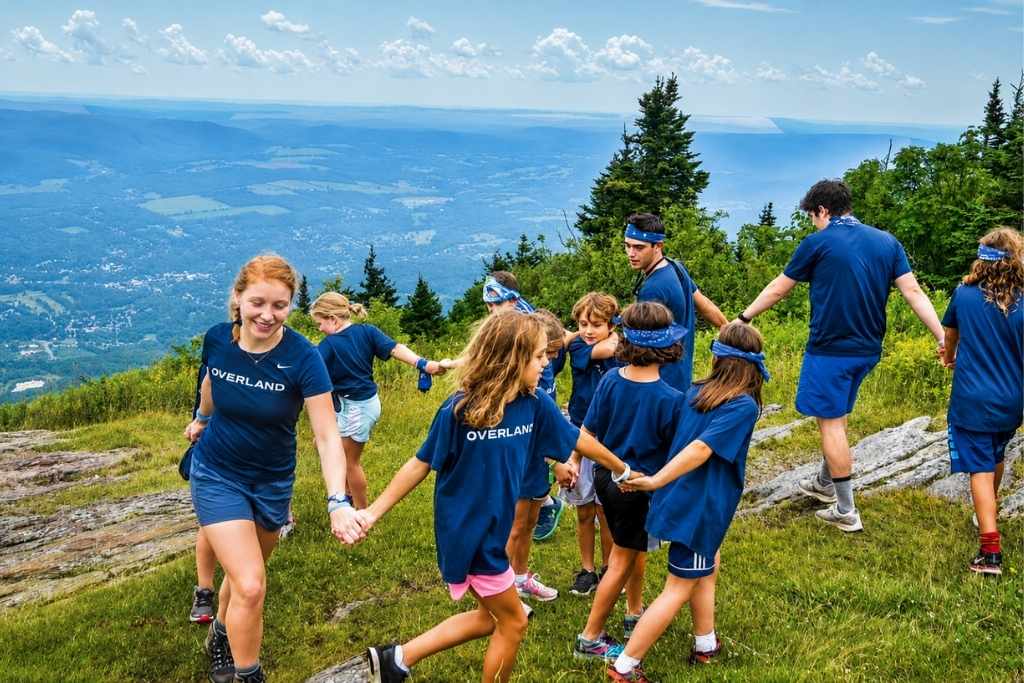
A traditional summer camp is what you probably think of when you close your eyes and picture summer camp.
Campers usually stay at one main property. They sleep in cabins or bunks, eat meals in a dining hall, and have a daily schedule of activities with counselors and cabinmates.
Since the setting stays the same, it can be a bit more comforting for kids who are newer to overnight camp.
The Traditional Camp Model
Routine is a big part of the traditional camp model. But even in that routine, there’s also variety. Campers wake up in the same place each morning, follow a set schedule for things like eating and free time, and take part in an array of activities.
Some activities might include:
- Swimming
- Sports
- Arts and crafts
- Archery
- Theater
- Music
- Boating
- Nature walks
- Games
- Evening programs.
Kids get to try a little bit of everything, which makes it exciting.
Who Traditional Summer Camp Is Best For
Traditional camp is best for kids who like variety and routine. They get to be part of a big community and find opportunities to make friends with their same interests. If your child is new to sleeping away from home, it’s the perfect type of camp to build up that comfort level.
What Is an Adventure Camp?
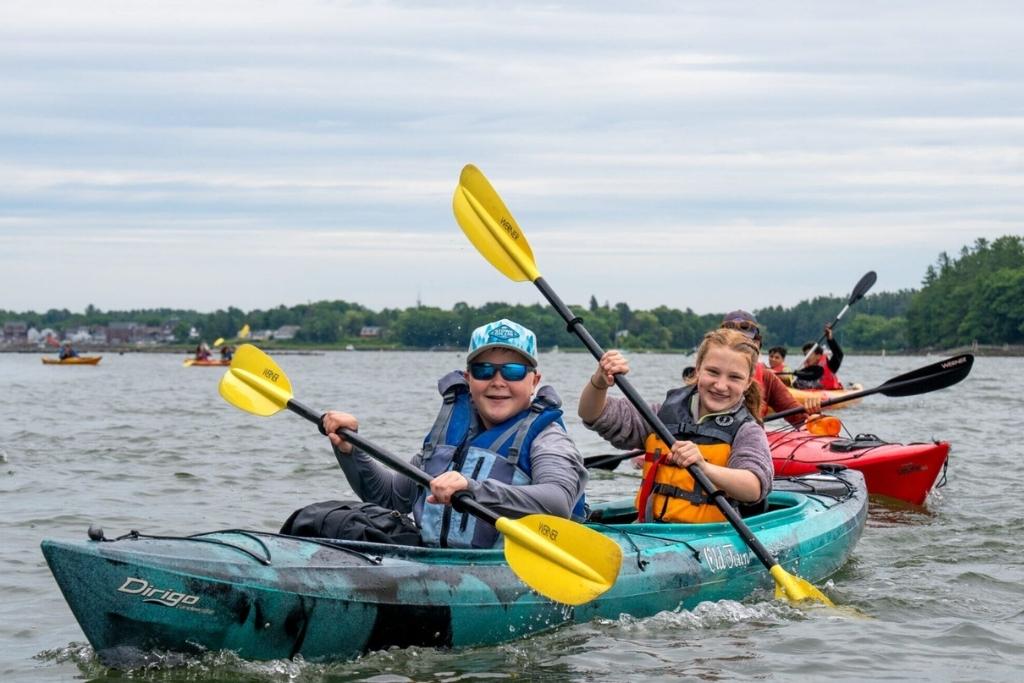
An adventure camp is usually more active and more outdoor-focused.
In terms of adventure camp vs. traditional summer camp, adventure camp is more challenging (in a good way).
The great outdoors becomes the classroom. Campers get to hike, backpack, paddle, raft, kayak, travel, sleep under the stars, complete service projects, and learn outdoor skills they can keep with them forever.
There’s still structure in the day, but it’s much more flexible depending on the route and the weather.
Fixed-Site Adventure Camps
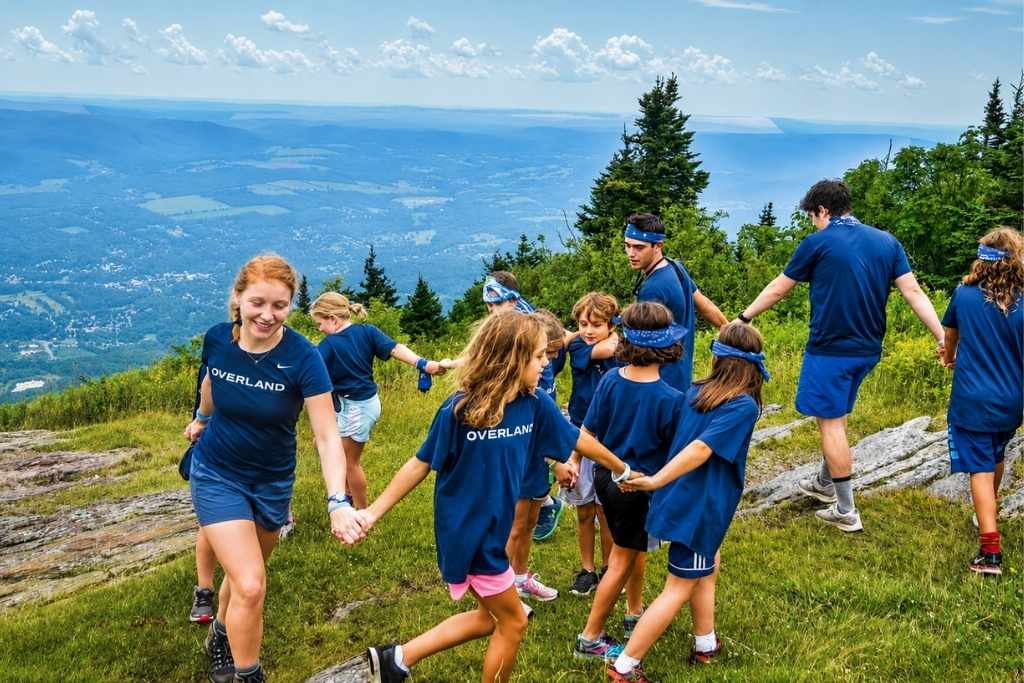
Some adventure camps operate from a basecamp. Campers return to the same place each night but spend their days doing outdoor activities. We recommend fixed-site camping experiences for kids who want more adventure but might still benefit from a home base they can get familiar with.
Expedition and Travel Adventure Camps
Other adventure camps are expedition or travel-based. That means the group may move from place to place over the course of the program.
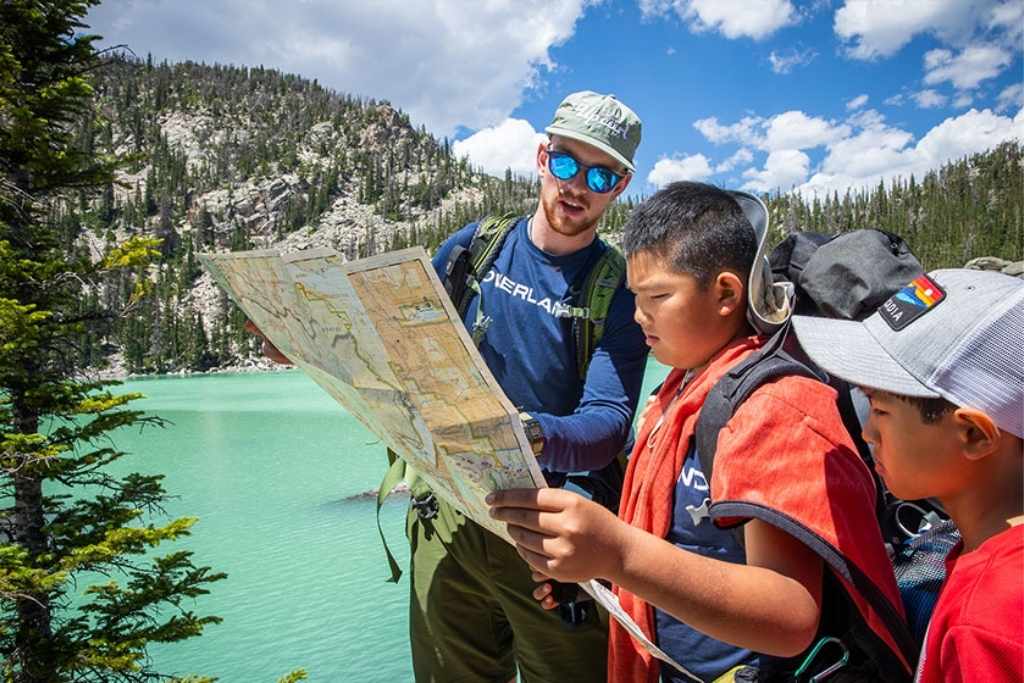
Campers might hike into a campsite, paddle a stretch of river, travel between trailheads, or explore a new region with their group. They help manage gear, follow safety systems, contribute to meals, and learn how to lead a group when need be.
At Overland, adventure is planned with care. Our leaders don’t throw kids into hard situations without a plan. The goal is to give them thoughtfully calibrated challenges they can overcome to grow.
Who Adventure Camp Is Best For
Adventure camp is a great fit for kids and teens who like to get outdoors and want some more independence.
Willingness is the word here. Your child doesn’t have to be fearless. But if they’re willing to try new things, willing to listen, and willing to help when the going gets tough, they’ll have a great time.
How To Choose A Summer Adventure For Your Child
Get first-hand insights into what you should look for when choosing the next summer travel adventure for your child.
10 Key Differences Between Adventure Camp and Traditional Summer Camp
It’s hard to compare adventure camp vs. traditional summer camp without looking at the details. Let’s see how each one is different in the day-to-day.
1. Fixed Camp Setting vs Mobile or Wilderness Environments
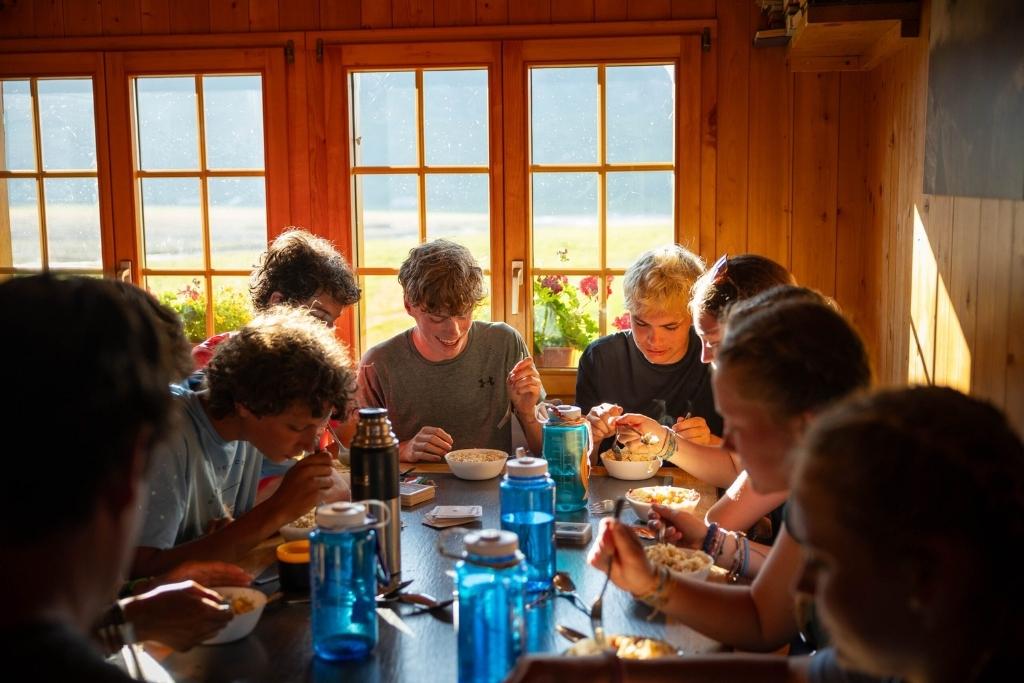
For some kids, the magic of camp comes from returning to the same cabin every night. It feels more like a home when they can get the lay of the land by the third day.
With adventure camp, instead of knowing one property by heart, campers learn how to get comfortable in changing places. It’s one of the core adventure skills. They might be on a trailhead one day and in town on the next.
2. Predictable Schedules vs Flexible, Conditions-Based Days
A classic camp day often follows the same rhythm. Meals are at set times. Activity periods are on a set schedule.
Some campers love that predictability.
That doesn’t mean adventure trips lack any semblance of predictability. It’s important to have a schedule on the trail. But things also have to be more flexible. A group may need to start earlier to avoid heat. Or a paddling day may have to get pushed back because of the wind.
3. Activity Variety vs Skill Depth
Does your child want to try a bit of everything? A traditional camp is the perfect place to do so!
They might want to spend Monday afternoon swimming. But then one of their campmates tells them about the archery course, and they become obsessed with building their bow skills. Between that, there’s art, games, sports, skits, and more.
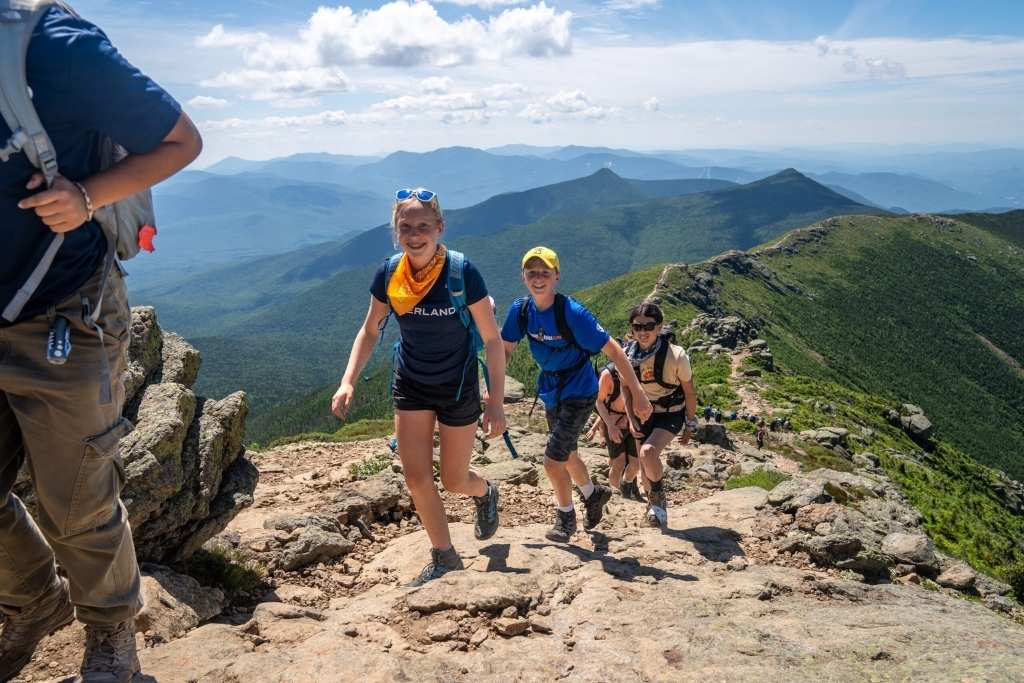
At adventure camp, there are fewer things to focus on. A student may hike long enough to learn how to pace themselves. They may paddle enough to learn how to work with the water instead of fighting it. Skills grow because the experience repeats, deepens, and asks campers to really pay attention.
4. Moderate Activity Levels vs Greater Physical and Mental Intensity
The physical challenge of traditional camp usually comes in pieces. A soccer game here and an hour of swimming there. Maybe a little capture the flag after dinner if the sun permits. Kids move a lot, but the effort is often broken up by meals and rest time.
Adventure camp can feel more continuous. There’s more effort involved as campers pack up, hike, paddle, set camp back up, help with dinner, go to sleep, make breakfast, pack up camp, and so on.
It’s challenging, not punishing. But it does ask more of kids.
5. Established Facilities vs Simpler Living Conditions
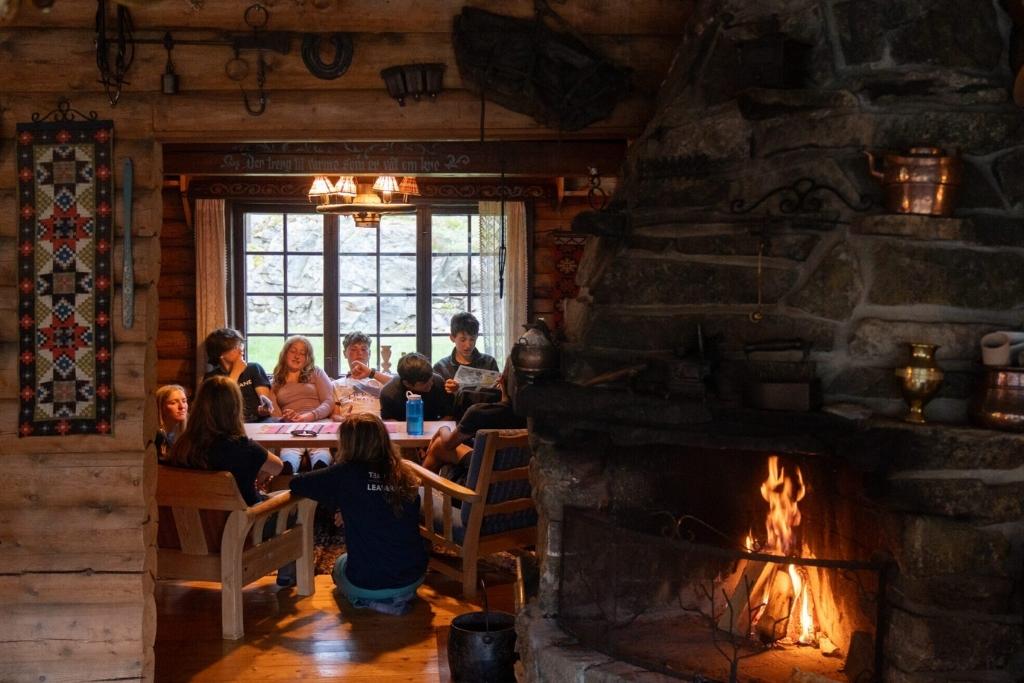
Traditional camps feel more like little towns. There are cabins, bathrooms, dining halls, and just about everything they could need to feel comfortable.
With adventure camps, the creature comforts aren’t there.
Campers may sleep in a tent instead of a cabin or cook over a fire instead of going to the cafeteria in the dining hall. A pair of dry socks can end up feeling like the biggest luxury.
6. Guided Participation vs Greater Self-Management
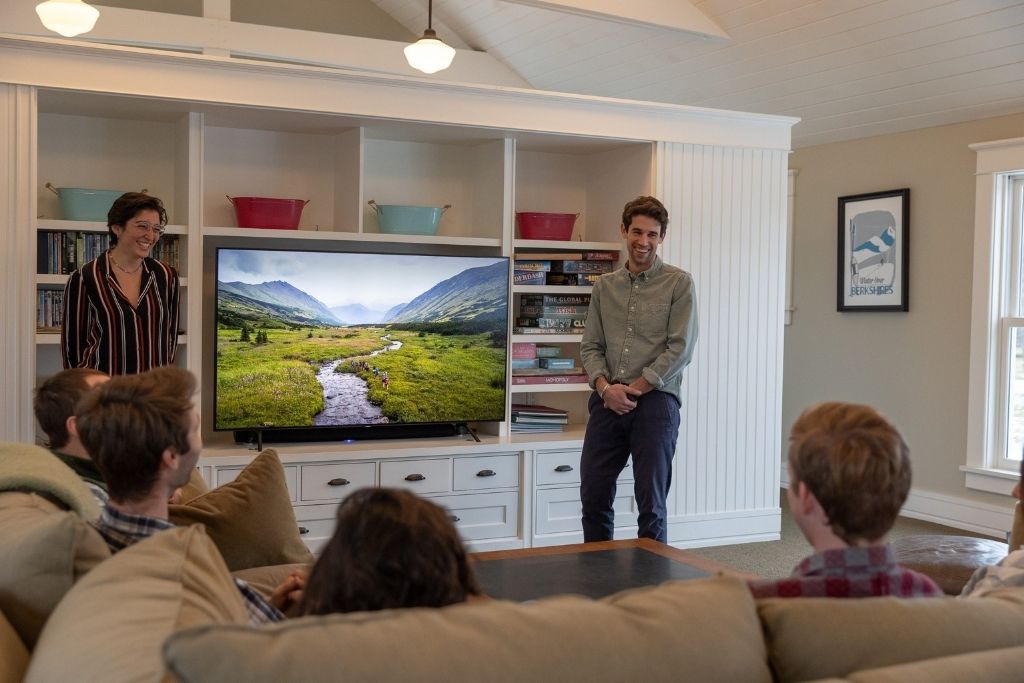
Traditional camp counselors help usher campers through the day.
Adventure camp asks kids to carry more of that awareness themselves.
Is my water bottle full? Do I have my rain layer? Where did I put my headlamp? Am I ready before the group needs to leave?
Those may sound like small questions, but they’re all part of building independence.
7. Community Traditions vs Small-Group Interdependence
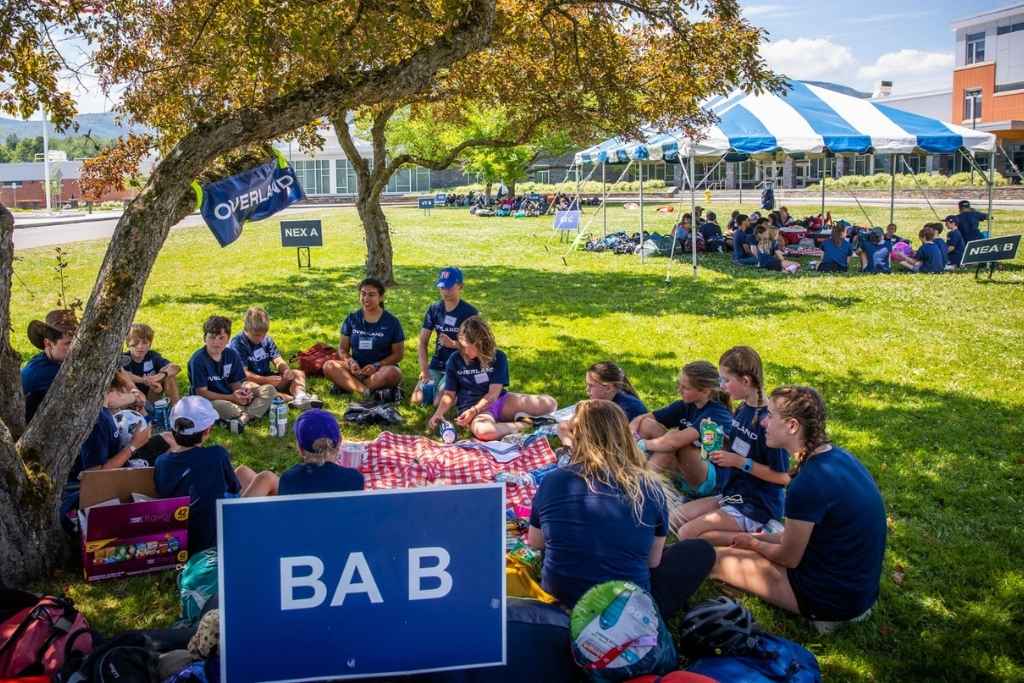
Traditional camp community often grows through shared rituals. Kids all learn the same songs and compete in the same games that other kids have been a part of for generations. There’s a feeling of joining something that has existed long before you arrived.
Adventure camp community usually forms at a smaller scale.
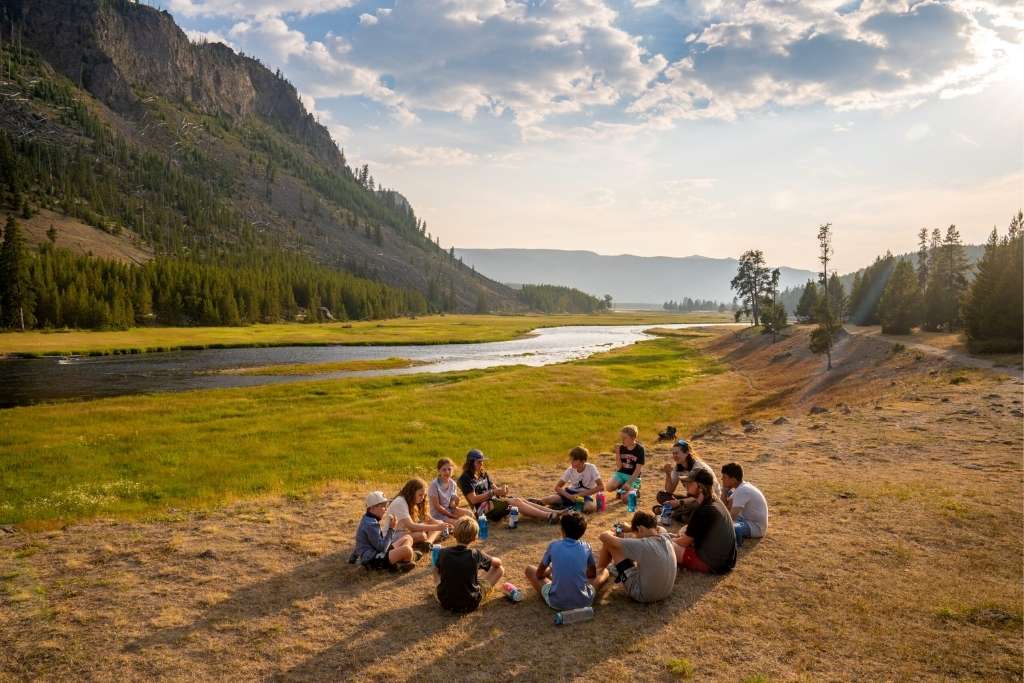
It happens when one camper encourages another on a steep climb or when someone volunteers to help cook even though they’re tired.
The sense of belonging can be just as powerful when built through tradition as it can be with shared effort.
8. Broad Leadership Opportunities vs Real-Time Leadership
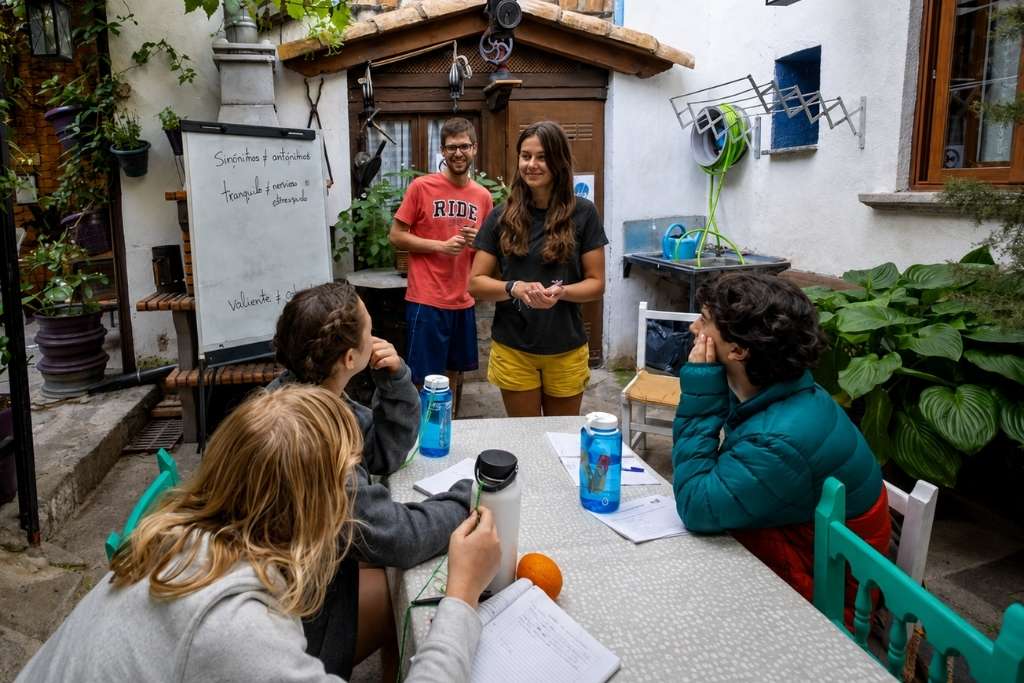
There’s plenty of room to build leadership skills at traditional camp. Your child can be the team captain in a game or take charge of the chore chart in the bunk. Children who return to these camps year after year typically take on more responsibility as they get more comfortable.
On an adventure trip, leadership is often needed before anyone asks for it.
Your child might notice the group needs help packing up, or they might check on another camper who isn’t feeling well. Leadership on the move is more about paying attention and seeing what needs doing.
9. General Camp Safety vs Wilderness Risk Management
Safety is the first priority at every camp. But the environment can change how safety is approached.
Leaders get to work in familiar facilities at traditional camps, which makes it a bit easier. Adventure camps have other variables like weather, terrain, gear, and water conditions to think about.
That is why parents should ask detailed questions when comparing adventure camp vs. traditional summer camp. How are leaders trained? How are routes planned? What happens when conditions change?
A good camping program should have all the answers to your questions.
10. Tuition Price vs Total Cost and Family Logistics
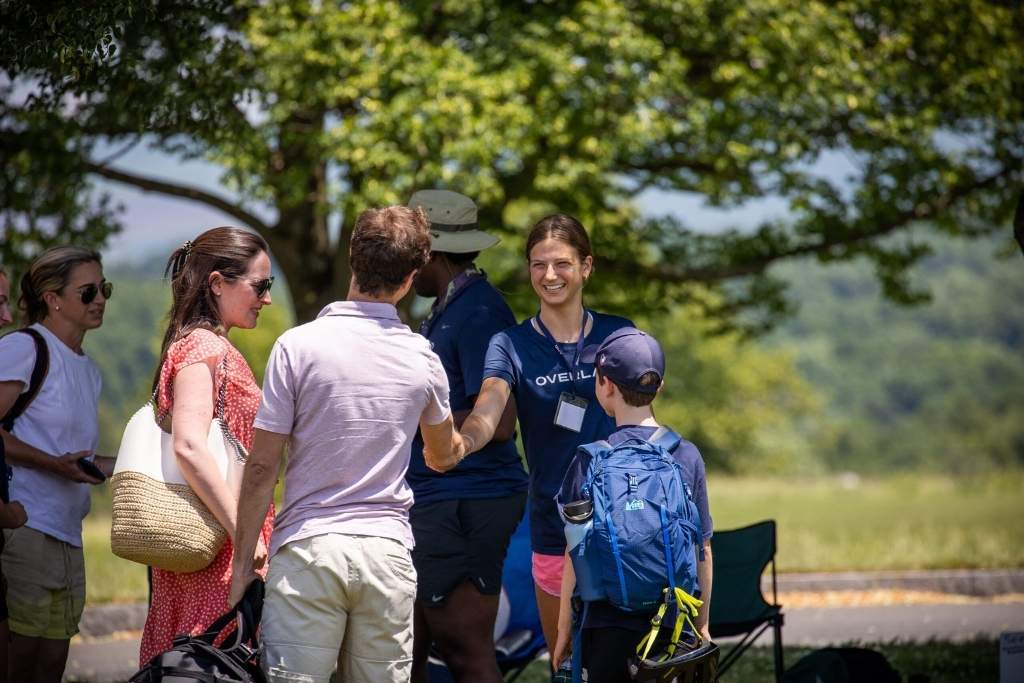
There are a lot of factors that go into the cost of camp.
At a traditional camp, you’re typically paying for lodging, meals, camp counselors, activities, facilities, and camp-wide programming.
For an adventure camp, the tuition might include specialized outdoor leaders, transportation, permits, technical gear, and anything else needed to traverse the wilderness.
So the better question is not only “What does it cost?” It is “What does that cost include, and what kind of experience is it supporting?”
Free Download
How To Choose A Summer Adventure For Your Child
Get first-hand insights into what you should look for when choosing the next summer travel adventure for your child.
What Does a Typical Day Look Like?
At a traditional summer camp, there’s more of a rhythm from day to day.
Kids walk the same path from the cabin to breakfast. They hear the bell, which means it’s time for the next activity. They get the comfort of returning to the same bunk at night. After a few days, they know the pattern and what comes next.
Adventure camp is different.
One morning, they might wake up sleeping under the canopy, make breakfast, and get ready for a day of paddling. The next, they might start with a quick hike to a new campsite before a later lunch. It changes. The more adaptable your child is, the more comfortable they’ll be with that.
Benefits of Adventure Camp vs. Traditional Summer Camp
Adventure camp is a great fit for kids who are ready for a little more. It gives kids everyday chances to practice responsibility and independence. Older campers can take a lot of those experiences with them as they prepare for college.
As for traditional camps, we recommend them to kids who like variety and structure. Kids can develop many of the same skills they can in adventure camp, but just in a more reassuring setting.
Which Camp Is Right for Your Child?
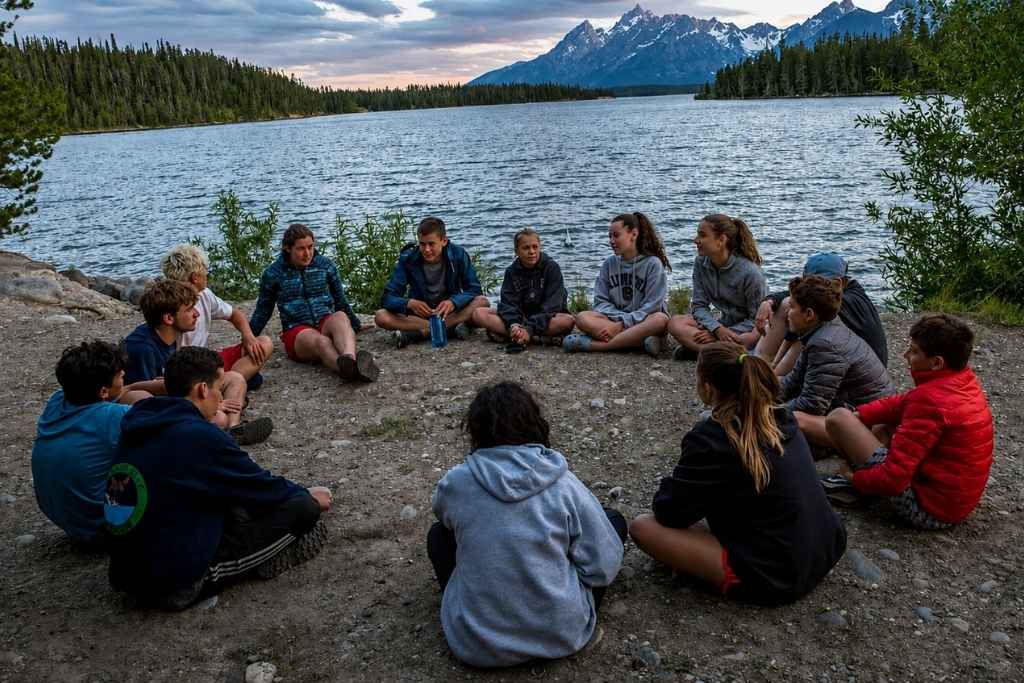
It really depends on your child’s personality and readiness.
Traditional summer camp might be better for kids who:
- Like a routine
- Want to explore a variety of activities
- Are more comfortable with a familiar home base
- Haven’t done overnights away from home yet
Adventure camps might be better for kids who are:
- Curious about the outdoors
- Ready to be more independent
- Open to challenges
- More willing to listen, participate, and be a leader
Some kids land somewhere in the middle with a hybrid program. In hybrid programs, kids will usually go out for the day, hiking, paddling, or doing short overnight camping excursions, but will have a basecamp to return to.
How Much Do Traditional and Adventure Camps Cost?
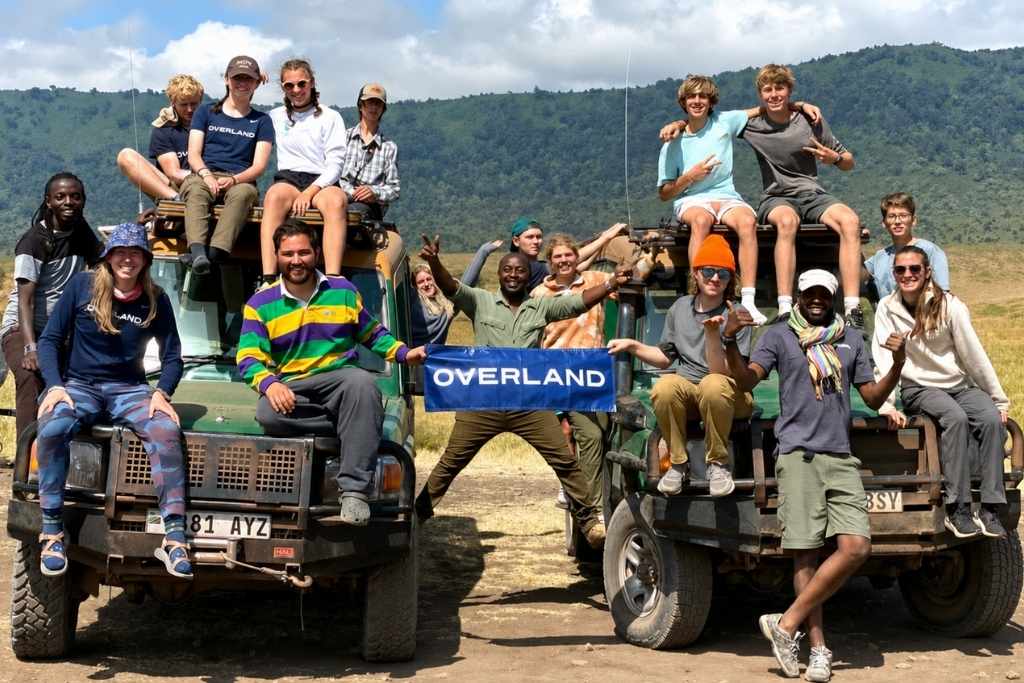
Camp costs can vary based on several variables, including the:
- Length of the program
- Location
- Staffing
- Activities
- Facilities
- Gear
- Travel
Traditional camp tuition often covers the main camp experience, such as the cabins, meals, activity equipment, waterfront supervision, arts or sports staff, health services, and camp-wide programming.
Longer sessions and specialty activities can all affect the price.
Adventure camps may include some additional costs, especially if students are hiking, rafting, kayaking, backpacking, or traveling between locations.
As we said earlier, it’s best to ask what’s included:
- Will your child need special gear?
- Is transportation part of the program?
- How many leaders are with each group?
- What training do they receive?
- How does the camp communicate with families if plans change?
Can Your Child Get the Best of Both?
Yes. Even after comparing the two, the line between adventure camp and traditional summer camp isn’t always as clear as it may seem.
Some traditional camps include hiking, canoeing, ropes courses, camping overnights, or other nature-based activities. These are sometimes called basecamp adventure programs. Campers get more outdoor activity and skill-building time, but they also get to return to the same home base at the end of each day or segment of the trip.
Free Download
How To Choose A Summer Adventure For Your Child
Get first-hand insights into what you should look for when choosing the next summer travel adventure for your child.
Finding the Right Summer Fit
We don’t compare adventure camp vs traditional summer camp to figure out which one is better. The point is seeing which one might be better for your child this summer.
If your child is looking to make friends and get their first taste of independence with the opportunity to try new activities, traditional camp might be the way to go. If they’re ready for more of a challenge and adventure, you can’t go wrong with adventure camp.
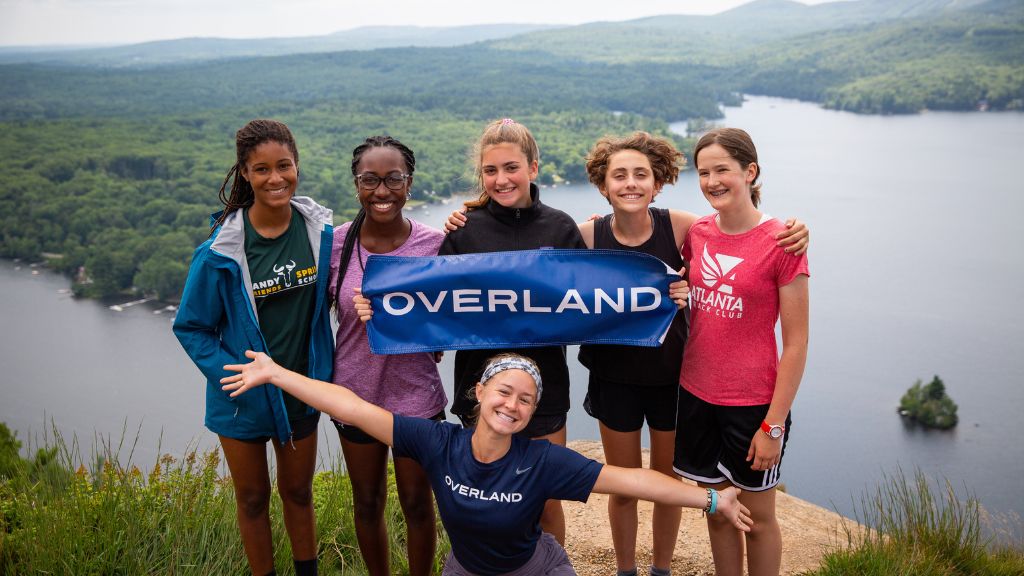
Whatever the case, Overland can help you find the right program. Take a look at our summer trips and get in touch with the team with questions.