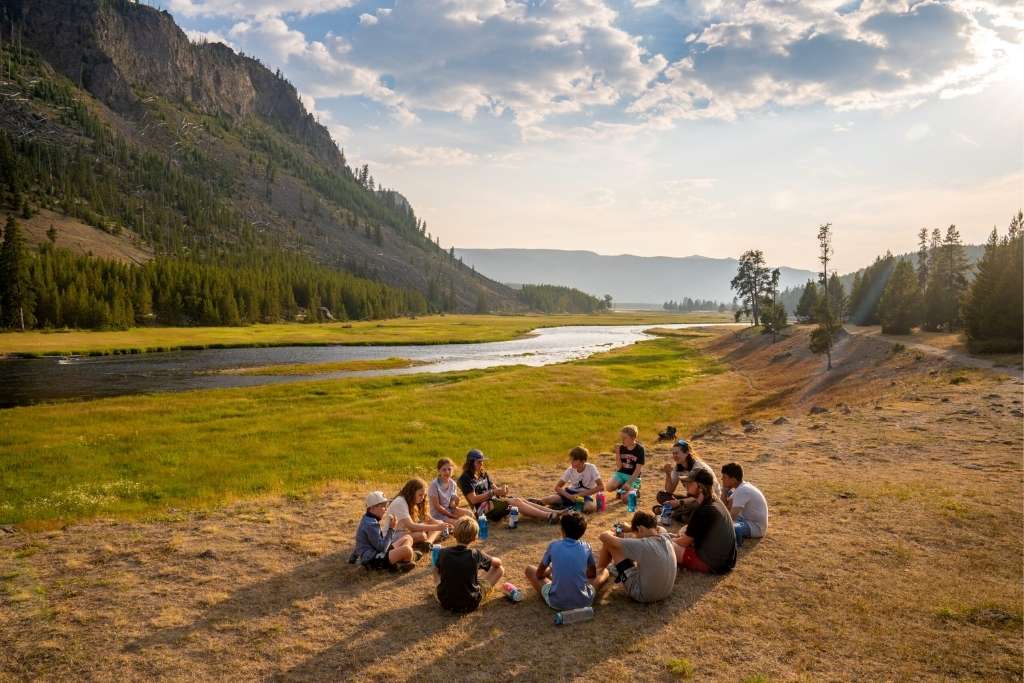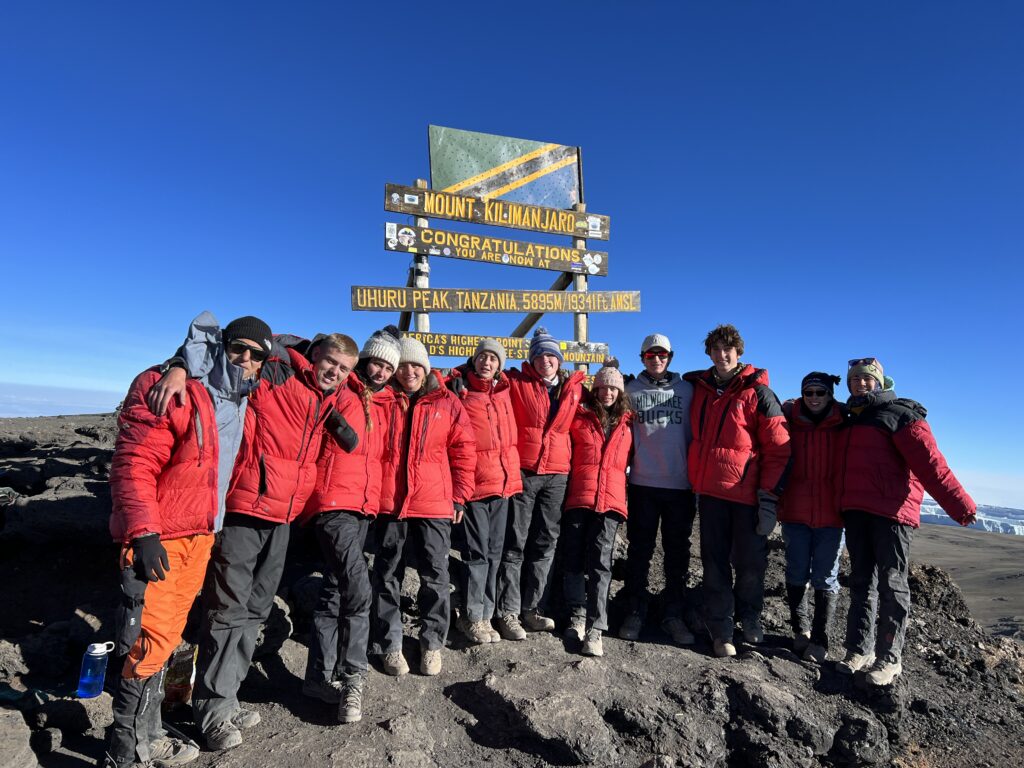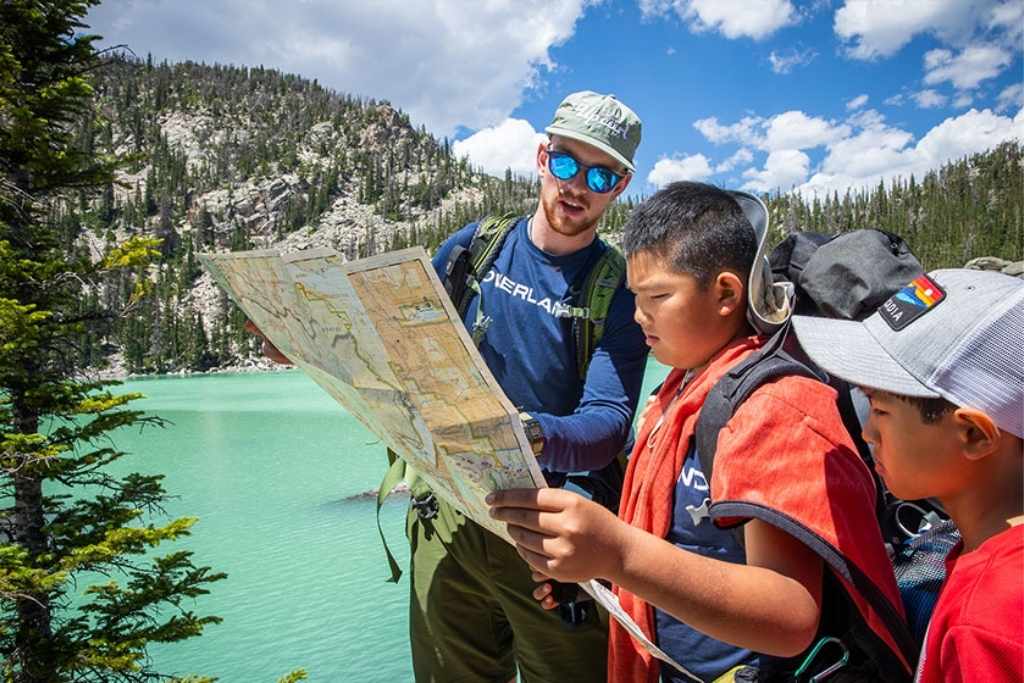
Summer camp may seem like all fun and games from the outside. Your kid packs up their duffel, they head off for a week or two, they hike, swim, paddle, laugh, eat a lot of snacks, and come home with a pile of dirty clothes.
But ask any parent who has watched their child return from the right camp experience, and they’ll usually tell you there was more going on than that.
Their kid stands a little taller. They speak with more confidence. They’re better at handling little frustrations in their lives. They talk about a new friend from another state, or the night everyone sat around after dinner telling stories under a sky full of stars.
There’s a deeper answer to how summer camp helps kids grow. Camp gives children space to practice being more independent, more social, more adaptable, and more willing to try.
A strong camp experience can help kids:
- Build confidence
- Become more independent
- Improve social skills
- Make new friends
- Strengthen emotional resilience
- Learn responsibility
- Communicate more clearly
- Practice teamwork
- Develop leadership skills
- Build problem-solving skills
- Stay physically active
- Spend less time on screens
- Use their creativity
- Become more adaptable
- Create memories that stay with them
That’s why many parents come to see summer camp as an investment in their child’s future.
Let’s walk through what that kind of growth can look like.
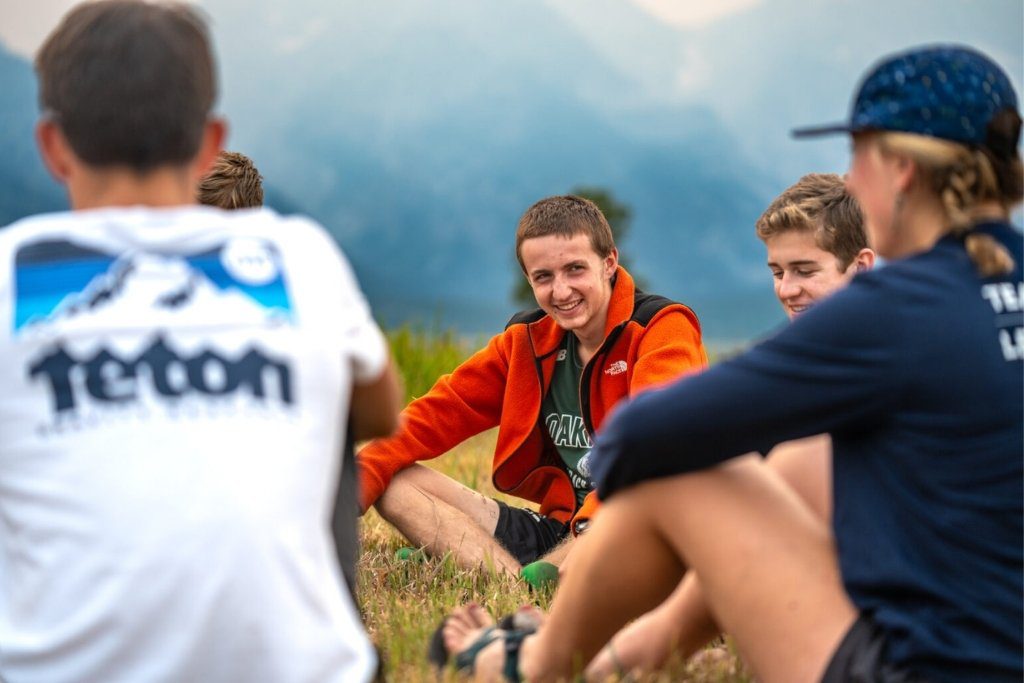
1. Builds Confidence
Confidence is a breakthrough many kids experience at camp.
They might do a hike in the backcountry they thought would be too hard, they introduce themselves to a bunkmate, they try kayaking for the first time and spend the first ten minutes going in circles before finally getting the paddle to cooperate.
Then something clicks.
They realize they’re capable of more than they thought.
That level of confidence comes from lived proof. Kids believe in themselves more because they’ve watched themselves go through something uncomfortable or unfamiliar before figuring it out.
2. Encourages Independence
At home, you’re there to make the path easier for your child. You remind them to pack their sweatshirt, put on sunscreen, and pick up their trash. That’s totally normal. It’s part of parenting.
But with camp, there’s a need for independence.
Sure, kids still have caring adults nearby, but they’re asked to carry more of their own weight. They have to keep track of gear and get themselves ready in the morning. They have to learn what happens when they forget a rain jacket, and why a hike is so much easier when you pack neatly.
Independence is a major part of how summer camp helps kids grow.
How To Choose A Summer Adventure For Your Child
Get first-hand insights into what you should look for when choosing the next summer travel adventure for your child.
3. Improves Social Skills
Camp is one long lesson in being with other people.
Kids share cabins, tents, trails, meals, boats, gear, jokes, stories, and moments of silence. They learn how to join a conversation, wait their turn, speak up without taking over, and maybe even notice when someone else needs a little space.
It’s hard to practice those skills in everyday life if you’re with familiar friend groups and the same old routine.
Camp is a new social setting, and that can feel awkward at first. But over time, kids figure it out. They learn that friendship can start with something as small as passing the trail mix or helping someone fit their backpack properly.
4. Helps Kids Make New Friends
There’s something powerful about making friends outside of school.
At school, kids often carry labels. The sporty one. The shy one. The loud one. The kid who moved from out of state.
Camp gives them a clean slate.
Your child can show up without their usual role already assigned. They can be funnier than they are at school, braver than they might think they are, quieter than usual, or more helpful. In turn, they have the opportunity to meet and connect with anyone.
New friendships at camp can be one of the biggest reasons summer camp is an investment in your child’s future.

5. Strengthens Emotional Resilience
Camp is fun, but it also comes with its own challenges.
Your child may get homesick or wake up one morning feeling overly tired. Part of the growth from camp comes from resilience that’s built when kids meet manageable discomfort and discover they can get through it.
They can feel homesick and still eat breakfast with their new camp friends. They can feel nervous and still join the group in an activity.
The right summer camp trip leaders help kids move through those moments without rescuing them from every hard feeling.
Over time, that builds steadiness. Kids learn that hard emotions pass, and that they also have the ability to ask for help, take a breath, talk to a leader, get some rest, or try again tomorrow.
6. Teaches Responsibility
Responsibility is a part of camp.
One of the main lessons a lot of children learn at Overland Summers here is that the actions they take affect other people.
Responsibility feels different than it does at home. It’s not just an adult asking them to clean up. It’s their group needing them to take part.
On a hike, that might mean carrying shared gear, or when traveling, it might mean being ready on time and listening closely to instructions.
Kids start to understand that being dependable feels good. They like knowing they can contribute.
Read More: What Is the Best Age to Go to Summer Camp? An Overland Guide
7. Improves Communication
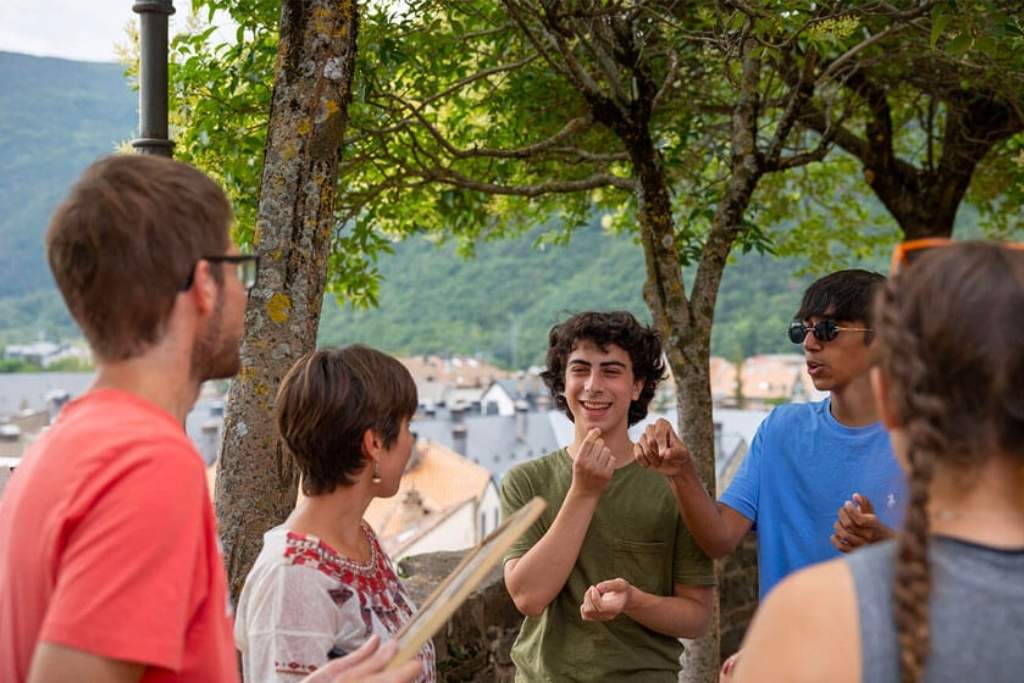
Camp gives kids a lot of practice saying what they need. If they don’t understand the plan for the activity or are dealing with uncomfortable shoes on a hike, they know they have to speak up.
However, even small things can be hard for kids to say if they’re used to adults anticipating everything.
At camp, leaders are here to support them better when they need to communicate something.
This is another part of how summer camp helps kids grow. A child who has practiced asking for help at camp may come home more willing to talk through a problem instead of shutting down.
8. Encourages Teamwork
Some parts of camp simply cannot be done alone.
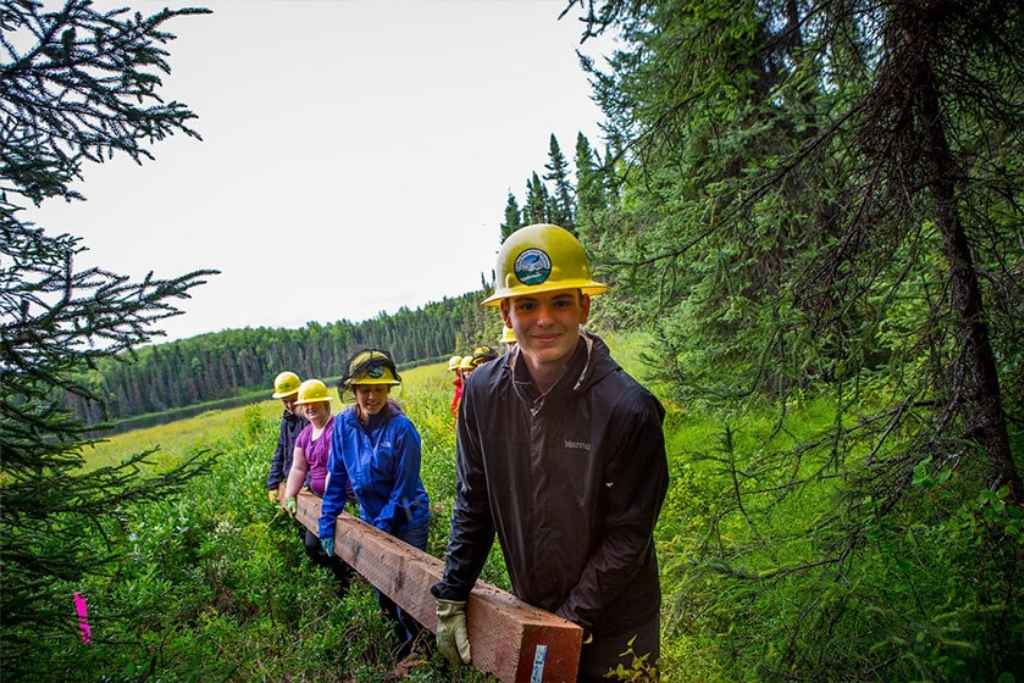
After all, a tent is much easier to put up when two people work together.
At camp, kids learn that being part of a group means considering more than their own comfort. Who needs encouragement? Who is having a hard morning but trying not to show it?
The group needs everyone, but not everyone contributes in the same way. One child may be great at organizing gear, while another may keep morale up with jokes.
Camp helps kids see that teamwork is not about everyone being the same, but about paying attention and doing your part.
9. Develops Leadership Skills
Leadership at camp can mean many things.
Sometimes it looks like helping a younger camper. Sometimes it’s volunteering first. Sometimes it’s saying, “We can do this,” when the group is tired.
The fact that leadership grows through practice is one of the reasons summer camp is an investment in your child’s future.
10. Builds Problem-Solving Skills
Your child will inevitably face small challenges at camp. They might not be able to start a fire for the first time, or they might have an uncomfortable backpack strap.
None of these are emergencies. But they require critical thinking.
Camp can help your child learn to pause, assess, ask questions, and try different solutions. That kind of thinking carries over into regular life.
They start to see problems less as dead ends and more as something to work through.
Free Download
How To Choose A Summer Adventure For Your Child
Get first-hand insights into what you should look for when choosing the next summer travel adventure for your child.
11. Promotes Physical Activity
Camp gets kids moving in a way that doesn’t feel like a workout. A hike is nice when there’s a great view on the horizon, just like a paddle across the lake is fun because they get to dive in.
For kids who spend much of the school year sitting in classrooms, cars, and at screens, that change can feel enormous.
Your child will gradually build stamina and discover that being active can mean more than competing.
12. Reduces Screen Time
The first day without a phone can feel strange, but kids are great at adjusting.
They talk more. They’re more aware. They get bored and then find something to do. They listen to their peers in conversations instead of half-checking out.
This is a big part of how summer camp helps kids grow for modern kids and teens. Camp gives them a rare break from constant digital input and social comparison.
13. Encourages Creativity
Creativity at camp often comes from having fewer preplanned comforts and more open space to think.
That combination can be surprisingly good for imagination. Kids make up games, tell stories, invent trail songs, and figure out how to make the best of a random rainy afternoon.
Problem-solving is creativity too. How do we keep gear dry? What’s the best way to organize dinner? How do we set the tent up if the ground isn’t totally level?
Read More: Adventure Camp vs Traditional Summer Camp – 10 Things to Know
14. Builds Adaptability
At camp, the weather can turn quickly. Someone might forget their water bottle on a hike and need extra from someone. An activity might need to get adjusted.
Kids learn to bend without breaking.
Adaptability is one of the important parts of how summer camp helps kids grow because life asks for it constantly, whether at school, in friendships, with family, or with plans.
15. Creates Lasting Memories
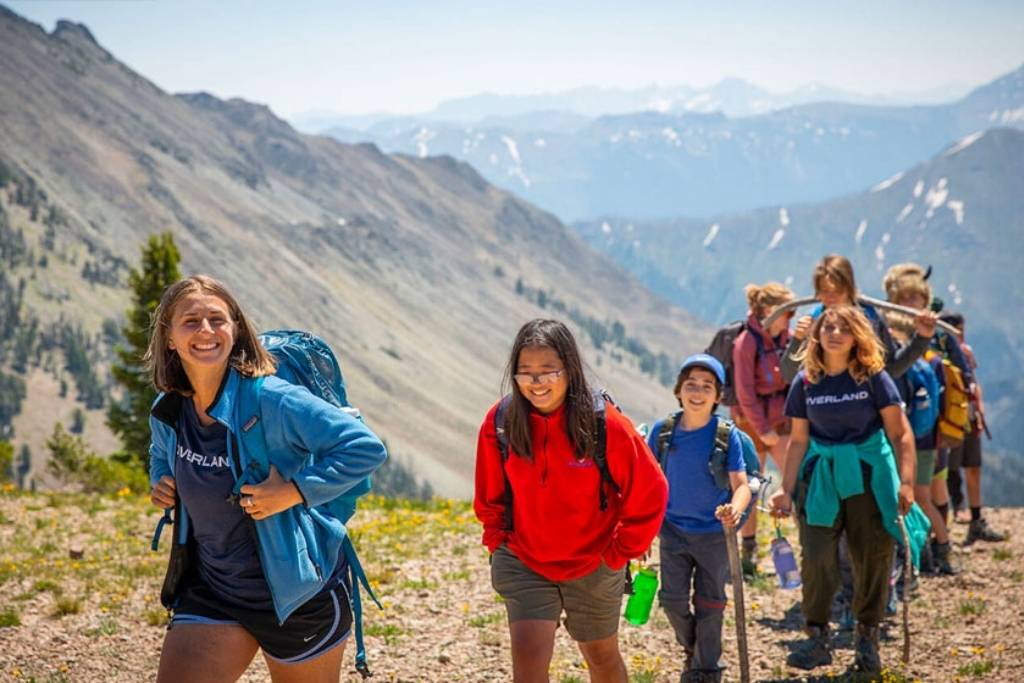
Ask a former camper what they remember, and it’s always something unique. The freezing cold, seemingly untouched lake at the top of the mountain. The funny group song they made up for the after-dinner talent show. The first friend they made.
Camp memories stick so well because they’re tied to effort, emotion, and connection. It gives kids stories they can carry throughout their lives, and it’s why summer camp is an investment in your child’s future.
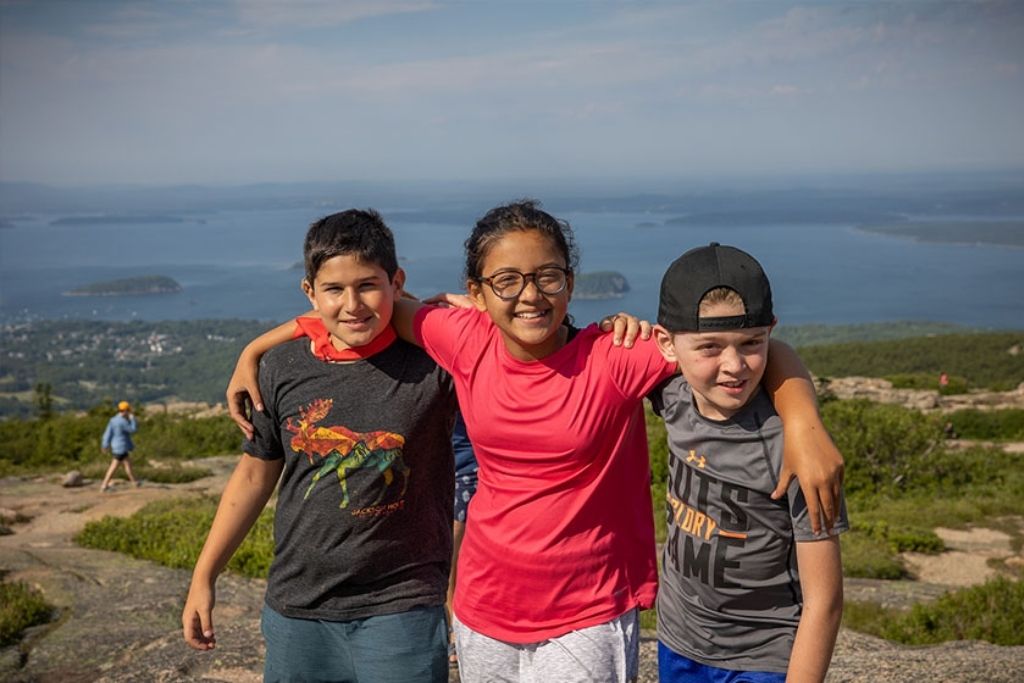
What Parents Often Notice After Camp
The growth from camp may not be immediately noticeable. At first, they’ll probably come home exhausted and ready to eat a home-cooked meal and enjoy a long sleep in their own bed.
But over the next few days or weeks, many parents notice small changes in their children:
- They act more mature: They pack their own bag, help without being asked twice, or show more patience when plans change.
- They’re more socially confident: After spending time with new peers, many kids come home more willing to start conversations or make friends in unfamiliar groups. After all, they’ve already done it once and know that it’s not that intimidating.
- They handle small responsibilities better: You may notice your child keeping track of their things more carefully or being better at preparing for bigger challenges.
- They’re more willing to try new things: After a summer experience with new activities, different foods, unique sleeping situations, or new people, they may be more open to other firsts at home. That might be a new class, a new sport, or a new friend group.
- They have stronger communication skills: Kids who spend time away from home often return with a better sense of how to explain what they need.
Types of Camps You Can Send Your Kid On
Not every camp experience looks the same. We often tell parents that it’s important to look at the different types of camps and choose based on their child’s age, personality, comfort level, interests, and readiness.
Some kids are ready for a classic overnight camp with cabins, lake activities, arts, games, and a familiar daily schedule. Others may do better starting with a day camp, especially if they are younger or nervous about sleeping away from home.
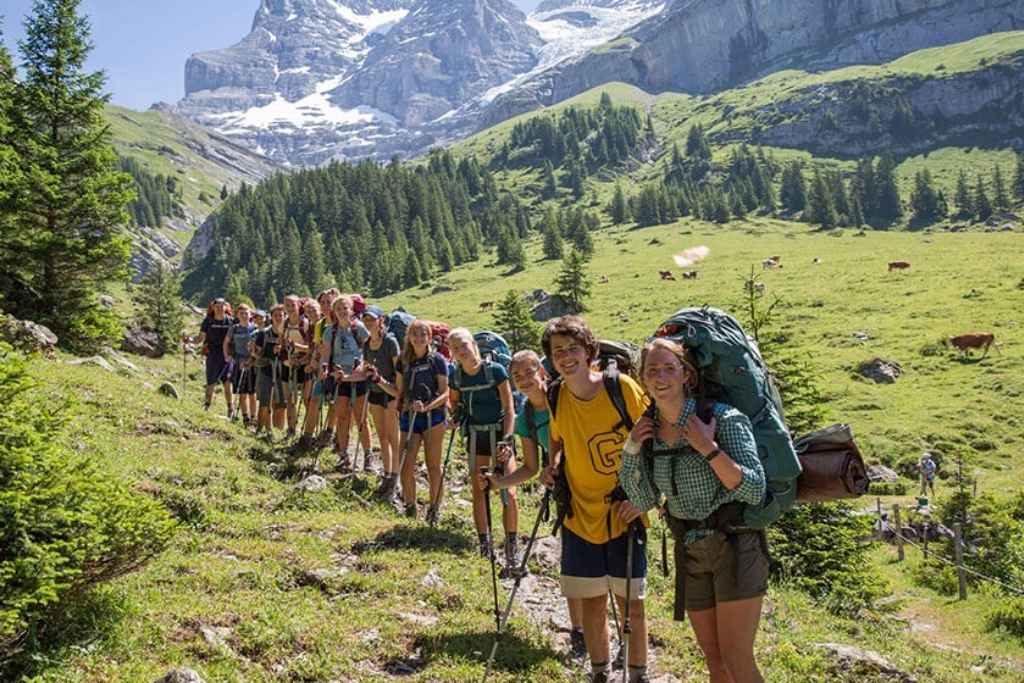
For kids who are ready for more movement, challenge, and exploration, an adventure summer camp can be a strong fit.
These alternative summer programs often include hiking, backpacking, rafting, kayaking, environmental stewardship, or travel. Instead of staying in one place the whole time, students get to travel across different landscapes and work together on big challenges.
A hiking summer camp may be ideal for a child who likes being outside, enjoys physical challenge, or needs a break from highly structured indoor routines. A travel summer camp can give older kids and teens a wider sense of place, culture, independence, and group responsibility.
Overland’s programs are more in the outdoor adventure category. They’re designed around thoughtfully planned trips, small group experiences, calibrated challenge, and growth.
If you’re still comparing options, check out our blog, “How to Choose the Right Trip for Your Child.”
The Growth Lasts Longer Than the Summer
Free Download
How To Choose A Summer Adventure For Your Child
Get first-hand insights into what you should look for when choosing the next summer travel adventure for your child.
How summer camp helps kids grow comes down to the fact that camp gives children a place to practice life while still being guided by thoughtful adults.
They learn how to make friends, speak up, carry responsibility, handle discomfort, stay active, solve problems, and try again when something doesn’t go smoothly.
They also get the sense that they can do more than they thought.
Summer camp is an investment in your child’s future, not because every moment is easy or because one trip solves everything, but because the right camp experience gives kids real practice becoming more confident, capable, and connected.
Ready to find the right summer camp for your child?
Contact Overland directly or request a catalog to start planning.